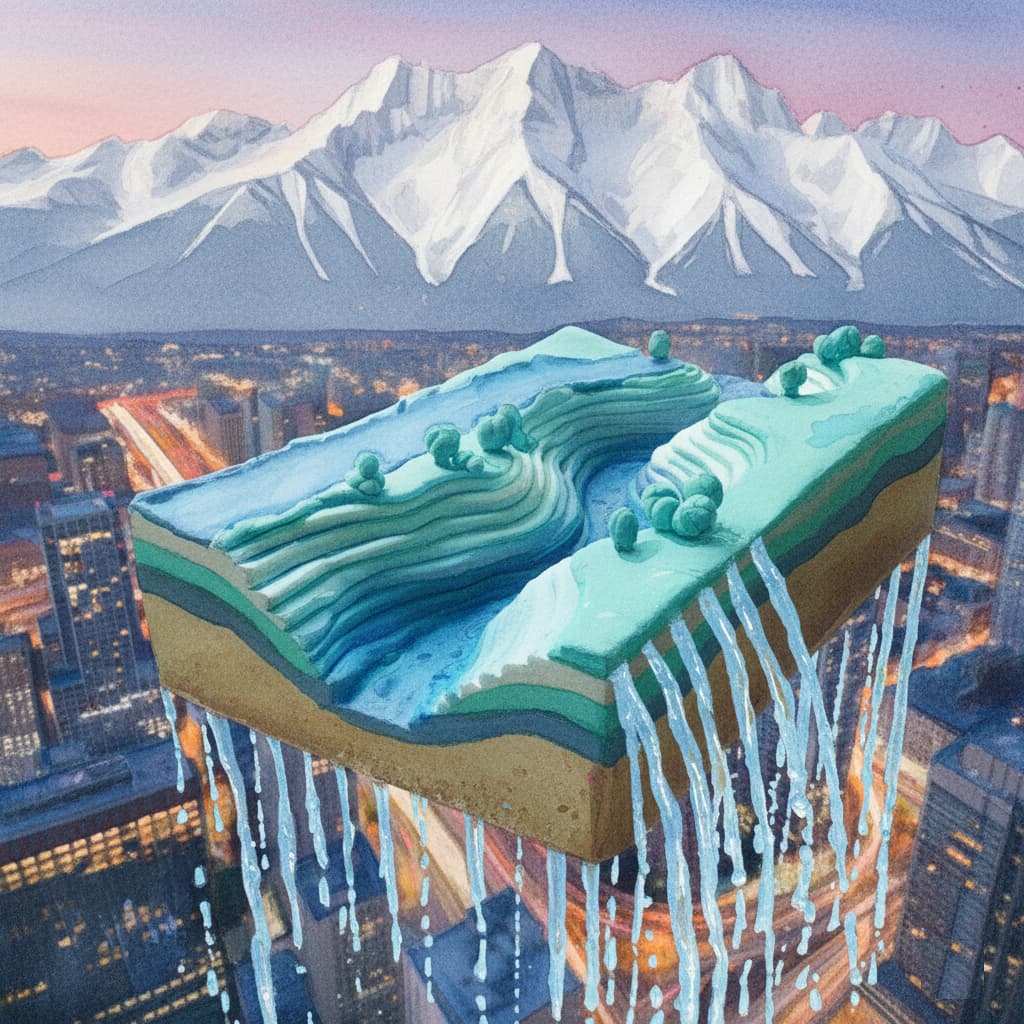
Rivers aren’t just pipes for water; they are the Earth’s most restless architects. From the high-velocity incision of mountain gorges to the slow, silty pulse of a Siberian delta, Fluvial Geomorphology is the study of a landscape in motion. It is the science of why rivers snake across plains, how they “steal” water from one another, and why a single dam can cause a coastline hundreds of miles away to vanish. Dive into the mechanics of erosion, the mystery of oxbow lakes, and the delicate balance that keeps our planet’s circulatory system flowing.

Stand by a riverbed and ask: Is this water source eternal, or is it merely resting? The flow—or lack thereof—tells a deep story. It reveals a hydrological signature that dictates landscape ecology, water resource management, and regional history. Whether you are observing a powerful, ever-present channel or a mysterious dry wash, the system is at work. We will differentiate the three fundamental types of streams using the memorable P.I.E. acronym and uncover the secrets hidden in their flow.

The gentle giant had turned into a weapon. For centuries, the Black River in Jamaica has been a cultural icon, its tannin-stained waters host to endangered crocodiles and historic trade. But when Hurricane Melissa unleashed a “Turbocharged Water Cycle,” the river’s polite flow was replaced by a geological wrecking ball. Read how a changing climate is permanently changing Jamaica’s geography and forcing us to redefine what a river can do.
