logo-b81fc6af2faedb728fbd5fa5eeed23730c5b8be653318097907f3f0a5adbc5a6
Click for a Unique Window into the Untouched Amazon Waterway: Watch Live Now! (Courtesy of Junglekeepers)

Beyond Dubrovnik: Exploring the Ljuta River

Just a short trip from the ancient walls of Dubrovnik, a hidden world awaits. The Ljuta River—its name meaning "fierce"—is a geological marvel and a historical powerhouse. Explore a landscape shaped by tectonic plates and discover centuries-old water mills that once fueled a Republic. This is more than just a scenic view; it's a journey into the secrets of Croatia's past.
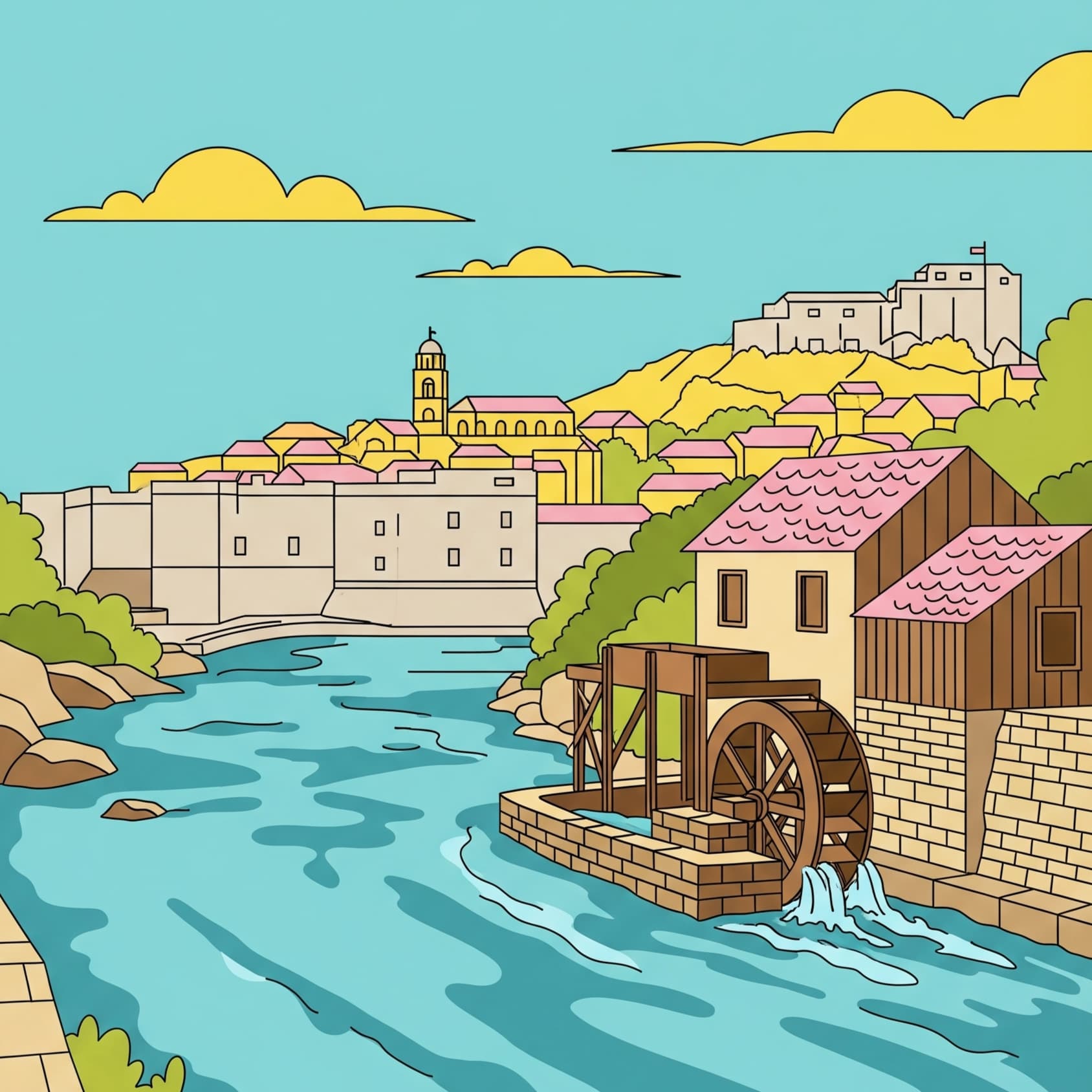
Love this cover artwork? Check out the 5 alternatives above the comment section below.

Table of Contents

The Ljuta River: Where Karst Geology and Ancient Ingenuity Converge in Konavle

Nestled within the picturesque Konavle Valley, just a stone’s throw from the historic city of Dubrovnik, flows a river whose name, “Ljuta,” is a source of fascinating insight. Pronounced roughly as lyoo-tah, its name translates to “fierce” or “angry” in Croatian. While its captivating beauty is immediately apparent, the Ljuta River is far more than just a scenic waterway. It’s a living testament to the powerful forces of geology, the ingenious spirit of human endeavor, and the enduring heritage of the people who have called this unique corner of Croatia home for centuries. For those who seek to understand the intricate dance between nature and history, the Ljuta offers a profound and educational journey.

The Tranquil Waters Of The Ljuta River The River Mixer
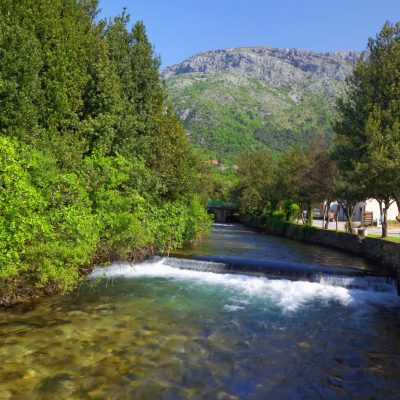
The Tranquil Waters Of The Ljuta River

A Geological Marvel: The Karst Connection

The Ljuta River’s very existence is a direct consequence of the extraordinary karst geology that defines much of Croatia and the broader Dinaric Alps. This unique landscape, characterized by soluble bedrock like limestone, is sculpted over millennia by the corrosive action of water. Rainwater, slightly acidic, seeps into cracks and fissures, slowly dissolving the rock and creating an intricate subterranean network of caves, sinkholes, and underground rivers. The Ljuta itself is a short sinkhole river, meaning it flows for a relatively brief distance above ground before often disappearing back into the porous earth, only to re-emerge elsewhere.

The Historic Konavoski Dvori Restaurant River Mixer
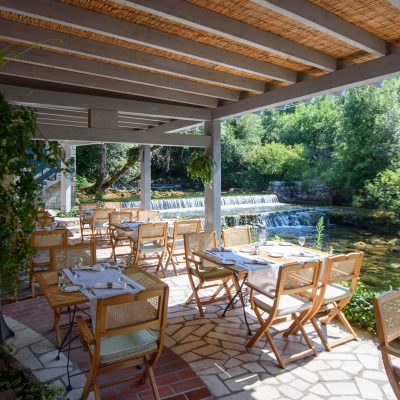
The Historic Konavoski Dvori Restaurant

Tectonic Plates and the "Oko" Spring

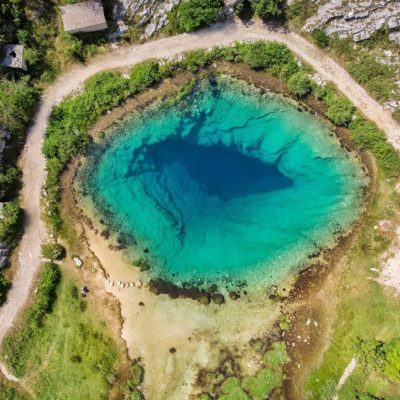
Delving deeper into the Ljuta’s geological origins reveals the immense power of tectonic forces. The river’s primary source, the powerful “Oko” (Eye) spring, emerges at a crucial tectonic contact zone where carbonate rocks meet clastic rocks. This geological fault line is a result of the ongoing collision between the Eurasian and Adriatic tectonic plates. The immense pressures and movements from this collision have fractured the bedrock, creating the ideal conduits for groundwater to collect and then burst forth to the surface with significant force at the “Oko,” giving the Ljuta its remarkably strong and consistent flow.

Croatia_Cavtat-near-the-Konavle-valley River Mixer
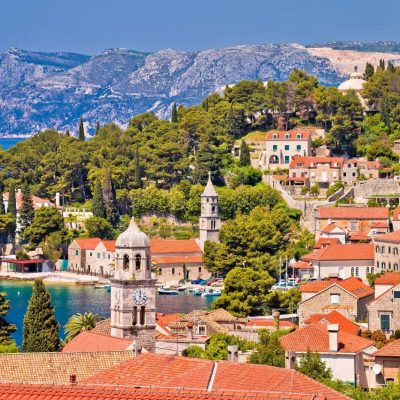
A View Of The Picturesque Konavle Valley

Engineering an Economy: The Mills of the Dubrovnik Republic

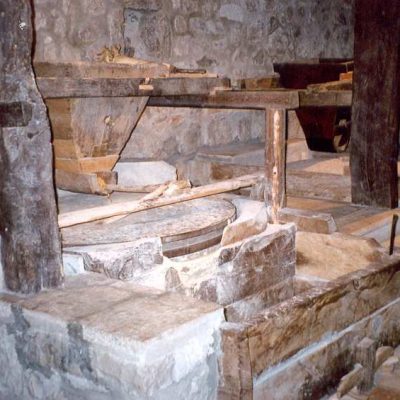
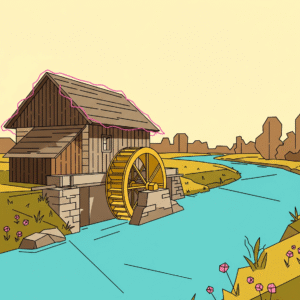
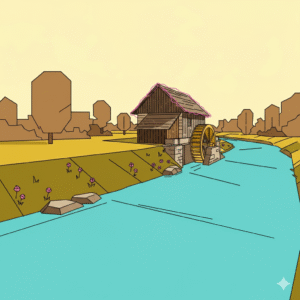
From the 15th to the 19th centuries, under the governance of the highly influential Dubrovnik Republic, the Ljuta River became an industrial lifeline. The Republic actively promoted agriculture in the fertile Konavle Valley, and the river’s powerful current provided the perfect energy source. This led to the construction of a complex system of water mills and fulling mills, with at least 15 such structures operating at the river’s peak. These mills were not just simple grinding stations; they were sophisticated engineering solutions that harnessed the Ljuta’s energy to process grain into flour, extract olive oil, and most importantly, full wool for the Republic’s burgeoning textile industry.

The Historical Water Mills Of The Ljuta River The River Mixer
The Historical Water Mills Of The Ljuta River

Ingenuity in Construction: Upper and Lower Mills

The construction of these mills demonstrated remarkable human ingenuity in adapting to the varied terrain. The Upper Mills were strategically positioned where the river’s natural drop was steepest, requiring relatively short water conduits to direct the flow to the millstones. In contrast, the Lower Mills, built on flatter ground, presented a greater engineering challenge. Here, elaborate, sometimes hundreds-of-meters-long conduits were meticulously constructed to channel the water and create the necessary head pressure to efficiently power the mill machinery. This dual approach maximized the river’s potential, showcasing the advanced hydraulic understanding of the era.

Created with GIMP
The Unique Karst Geology Of The Region

The People of Konavle: Guardians of Heritage

The history and ongoing story of the Ljuta River are inextricably linked to the people of Konavle. For generations, these communities have lived in harmony with the river, utilizing its resources while also nurturing its natural and cultural heritage. From the millers who once operated the grinding stones to the local families who today run the traditional restaurants, there’s a deep-seated pride and connection to this land. Their resilience and dedication to preserving their traditions, including culinary practices like the slow-cooked peka, ensure that the legacy of the Ljuta River continues to thrive, providing an authentic cultural experience for visitors.

A Timeless Symbol: From Industry to Tourism

Today, the Ljuta River and its meticulously restored mills are recognized as a protected cultural and natural monument, transitioning from an industrial powerhouse to a cherished symbol of regional heritage. This transformation has cemented its role in sustainable tourism, offering visitors a unique blend of historical insight, geological wonder, and serene natural beauty. The Ljuta River serves as a poignant reminder that even the smallest geographical features can hold immense scientific, historical, and cultural weight, providing a profound connection to Croatia’s rich past and vibrant present.

Your Konavle Itinerary: A Perfect Day Trip

The Ljuta River is an ideal destination for a day trip from Dubrovnik. To fully experience this remarkable blend of nature and history, we recommend the following itinerary:

  1. Morning Arrival (10:00 AM): Arrive at the Ljuta River by car or organized tour. Parking is available near the main restaurant complexes.

  2. Historical Walk (10:15 AM – 11:30 AM): Begin your visit with a self-guided walk along the riverbanks. Spend time exploring the restored water mills, reading the informational plaques, and taking photos. Pay close attention to the ingenious stone canals and the powerful flow of the water.

  3. Nature & Geology (11:30 AM – 12:30 PM): Follow the trails along the river to appreciate the unique karst landscape. Look for the main source spring, the “Oko,” and observe how the river’s flow is influenced by the surrounding rock formations. This is a great opportunity for a brief hike.

  4. Traditional Lunch (1:00 PM – 2:30 PM): Settle down for a leisurely lunch at one of the traditional restaurants, such as Konavoski Dvori. Pre-order a peka meal in advance to enjoy this authentic culinary experience.

  5. Afternoon Exploration (3:00 PM onwards): After lunch, consider extending your day trip. You can visit the nearby Konavle Museum in Čilipi to see a collection of traditional artifacts and learn more about the region’s heritage. Alternatively, explore the region’s wineries or return to Dubrovnik refreshed and with a new perspective on the region’s hidden treasures.

Keep them clean!

Recognizing the Ljuta River’s delicate balance between natural wonder and human use is key to its future. As a protected area and a living example of a karst ecosystem, the river highlights the crucial need for sustainable tourism and responsible water management. By visiting with respect—staying on designated paths, avoiding litter, and supporting local businesses committed to eco-friendly practices—we ensure that this historical and geological treasure remains pristine for generations to come, allowing future visitors to witness the fierce power and timeless beauty that define it.

F.A.Q.

The Ljuta River is located in the Konavle Valley, a region in southern Croatia, approximately 15 kilometers (about 9 miles) southeast of Dubrovnik.

The Ljuta is a karst sinkhole river, a type of river that is born from an underground spring. Its primary source, the “Oko” spring, is the result of tectonic forces from the collision of the Eurasian and Adriatic plates.

The river was a vital economic center for the Dubrovnik Republic. Its powerful flow was harnessed to operate a complex system of water mills and fulling mills that processed grain and wool, respectively, from the 15th to the 19th centuries.

Today, the restored mills serve as a cultural monument and a centerpiece for tourism. Some have been converted into traditional restaurants, offering visitors a chance to dine in a historical setting and experience local cuisine.

The Ljuta River is very short, flowing only for a few hundred meters before its confluence with other streams, making it one of the shortest rivers in the region.

Additional resources

Own a Piece of the Planet's Flowing Story
Your journey through the Ljuta River's history reveals that this powerful waterway was once the lifeblood of an ancient republic. Just as civilizations have always depended on the rivers that flow through their lands, the Ljuta's mills were the very engine of the Dubrovnik Republic's economy. Now, you can carry a piece of the river that has defined human history more than any other. Our handcrafted Nile River Water Pendant Necklace holds a unique, authentic sample from this legendary waterway. It's a tribute to the grand civilization it nurtured and a timeless reminder of humanity's incredible journey. Wear this pendant and connect to the power and history that only a river can provide.
On Sale
Related Content
Don't miss a drop.
Sign up for new river alerts! We're continually expanding our collection with amazing waterways from around the globe. If you're searching for a specific river to enhance your craft, spiritual or research practices, subscribe to stay informed.
subscribe
Editor's note

This blog post uses publicly available information from various sources, synthesized with the help of AI, as a starting point for exploring the world of rivers. Our editors review the content for accuracy, though we encourage readers to verify information intended for primary source use. We strive to use public domain, licensed, or AI-generated images; due to the nature of online sharing, individual image sources are generally not credited. Please contact us regarding any copyright concerns.

Featured Friends
Association Biom.
Association Biom is one of the leading nature conservation NGOs in Croatia and a partner of BirdLife International. They are dedicated to the study and protection of the country's biodiversity, with a primary focus on wild birds and their habitats. Through their conservation efforts, public awareness campaigns, and advocacy for sustainable development, Biom plays a vital role in preserving Croatia's unique natural heritage, including the Dinaric karst environment that shapes the Ljuta River.
featured
our river collection
Crossword Puzzle

Collection Map
Let's Celebrate.
Travel the world, one river at a time. Explore our map and follow us as we collect precious rivers. Become part of the story by owning your own drops of history.
map
River Clips
Collection Videos.
Trace the origins of our extraordinary river water collection. Watch captivating video clips that capture the breathtaking birthplaces of these rivers.
videos
Be a River Guardian
recent posts
Science
The 10 Largest River Systems in Asia: Ranked by Length and Basin Size

Rivers are the rhythmic pulse of a landscape, carrying more than just water; they transport the history, nutrients, and economic vitality of the regions they touch. From the glacial heights of the Tibetan Plateau to the sprawling industrial deltas of the coast, these ten river systems represent the sheer scale of the continent’s drainage basins. Along with the geography, we’ve included a BasinScore™ for each—a unique rhythmic data profile produced by Basin Beats™—allowing you to hear the heartbeat of the water.

Read More »
News
Central Saudi Arabia Flood Update: Wadi Hanifa and Wadi Al-Batha Levels Rising in Riyadh, Al-Kharj

Current monitoring shows water levels nearing bank-full at the Wadi Hanifa Wetlands as of April 17, 2026. While the Kingdom’s desert wadis often remain dry, the current atmospheric pressure system has triggered significant runoff, turning dry riverbeds into dangerous torrents that threaten low-lying residential sectors and critical transport arteries across the central plateau.

Read More »
History
Book Review: The Invention of Nature by Andrea Wulf – The Global Web of Life and the Forgotten Father of Environmentalism

Andrea Wulf doesn’t hand you a dry historical record; she restores the physical muscle of a man who saw the world as a single, breathing organism. From the 19,413-foot ledge of Chimborazo to the Krakow shelves where the journals were filed, this review looks at the grit required to map the global Web of Life. It’s time to rediscover the surveyor who warned us of a changing climate two centuries before the world was ready to listen.

Read More »
Alternative Covers

We had multiple art options for this post’s cover, but only one could make the cut. Here are 5 runner-ups. Did we choose the right one?

Leave a Reply

Your email address will not be published. Required fields are marked *

For security, use of Google's reCAPTCHA service is required which is subject to the Google Privacy Policy and Terms of Use.