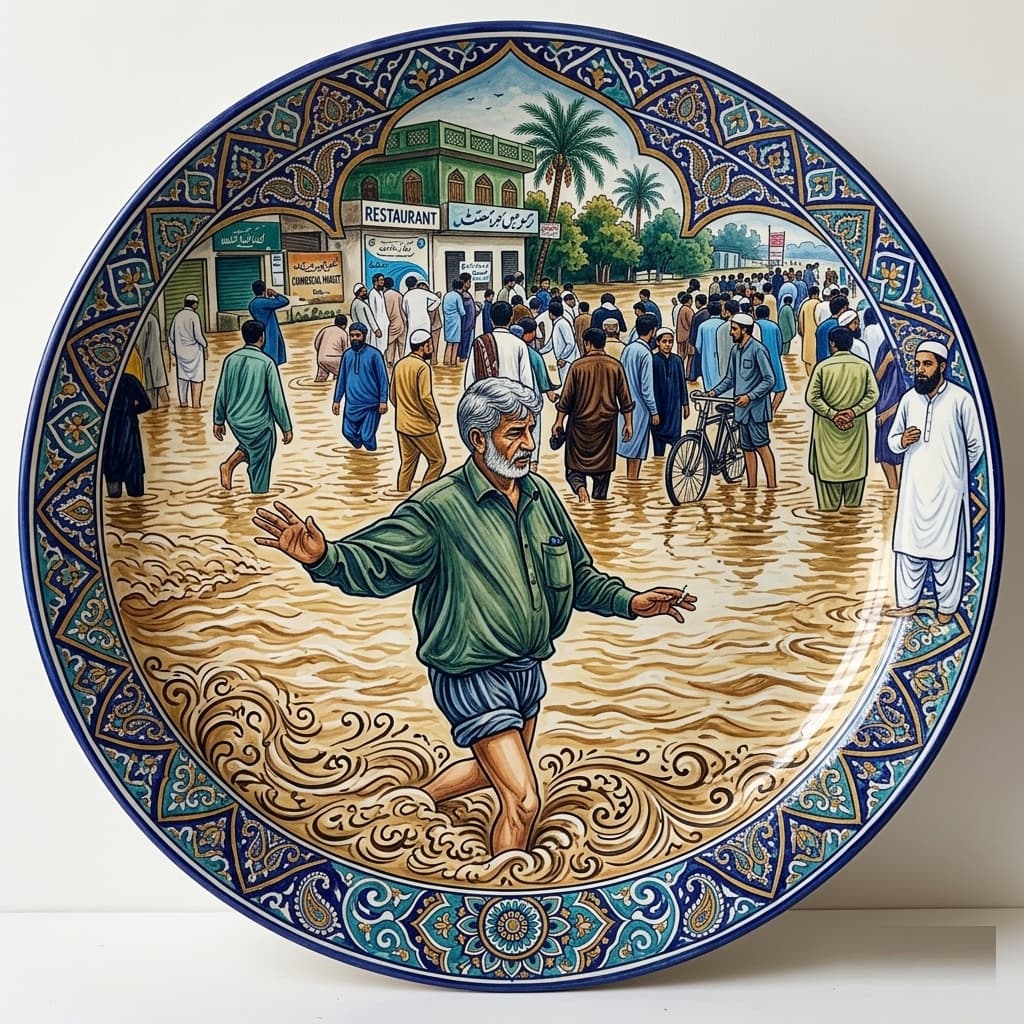
We collect water solely from flowing freshwater sources such as rivers, named bayous, streams, creeks, and brooks. Historically significant man-made freshwater canals, like the Erie Canal, may also be included. In exceptional cases, we may consider non-freshwater waterways like the culturally significant Bosporus Strait.
The water we collect isn’t meant for consumption. It becomes part of our treasured collection, a source of inspiration and unique keepsakes.
We’d love to hear from you! Here’s how to get started:
Become a Member: Fill out the membership form on our website.
Tell Us About Yourself: After submitting the form, send us an email to share more about yourself and your reasons for wanting to be part of River Mixer.
Review Collection Guidelines: While you wait to hear back, take a look at our collection guidelines to ensure any river water you plan to submit meets our requirements.
Submit Your River Water (Optional): If you have river water you’d like to contribute, briefly describe it in your email, including the location and name (if applicable). We’ll let you know if it’s a good fit for the collection.
Each river contributes just 500 ml (16 oz) [or less] of its story to our collection, ensuring a unique representation of waterways around the world. We limit our collections to a single sampling trip per river.
To ensure the authenticity and provenance of our river water, we employ a multi-step verification process. This includes video and photographic documentation of collection sites, coupled with GPS location tracking. Additionally, we collaborate exclusively with thoroughly vetted members and volunteers who represent the River Mixer during water collection.