
Most people see the river as a backdrop, but to a River Mixer, it’s a physical system of moving parts. Whether it’s a navigator pushing a hull into an unmapped tributary or a protector anchoring a trash boom against the current, every person on the water fits into a specific role. This is a breakdown of the five archetypes shaping our waterways—the explorers, protectors, and locals who know the river better than anyone else.

The modern river is rarely a purely natural entity. Through the lens of anthropogenic modification—human-induced change—we have fundamentally altered the hydrological cycle. This post explores the intersection of civil engineering and urban design, examining how our attempts to “tame” water have reshaped the landscape of risk and the lives of those who call the riverbank home.
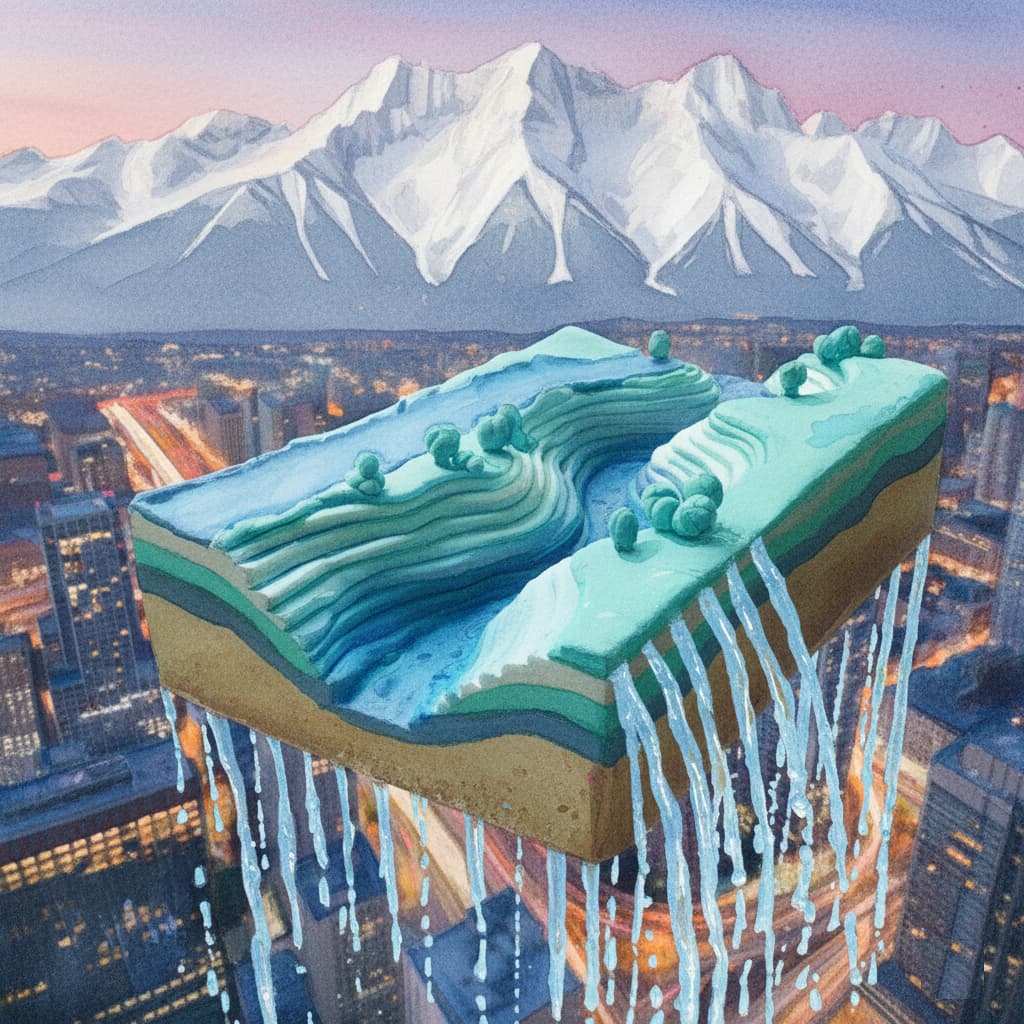
Rivers aren’t just pipes for water; they are the Earth’s most restless architects. From the high-velocity incision of mountain gorges to the slow, silty pulse of a Siberian delta, Fluvial Geomorphology is the study of a landscape in motion. It is the science of why rivers snake across plains, how they “steal” water from one another, and why a single dam can cause a coastline hundreds of miles away to vanish. Dive into the mechanics of erosion, the mystery of oxbow lakes, and the delicate balance that keeps our planet’s circulatory system flowing.
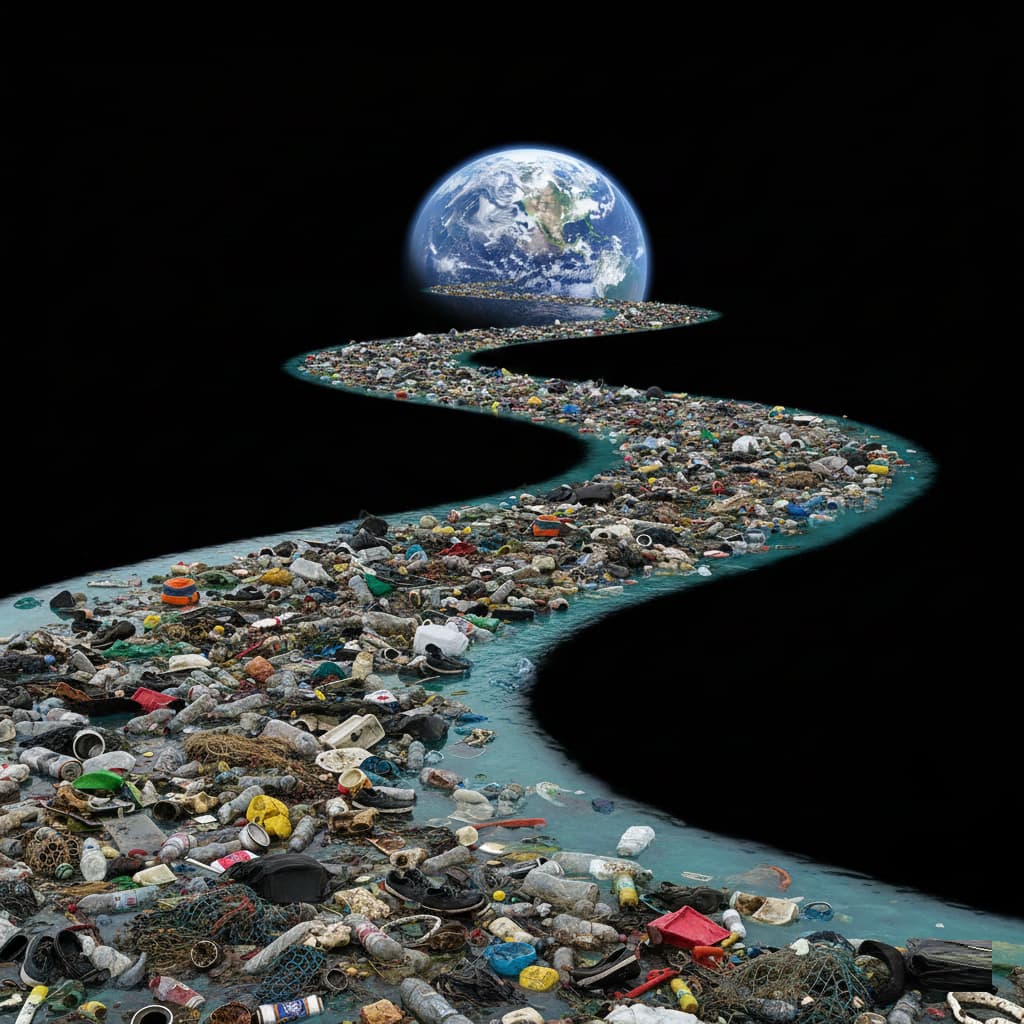
Our waterways are facing a silent crisis, but to understand the “how” of today’s pollution, we must look back at the “when.” Beyond the surface of modern toxins lies a deep history of human intervention and architectural shifts. Discover the complete story of how our global lifelines reached this breaking point—and the innovative, restorative steps being taken to bring them back to life.
