logo-b81fc6af2faedb728fbd5fa5eeed23730c5b8be653318097907f3f0a5adbc5a6
Click for a Unique Window into the Untouched Amazon Waterway: Watch Live Now! (Courtesy of Junglekeepers)

Guinness World Record Amazon River Row: But Was It the First?

A Guinness World Record stands, celebrating a modern row across the Amazon. Yet, the river's vastness conceals a deeper history. Did the first oars truly belong to those who sought a record, or to those whose lives were inextricably tied to the river's flow? This exploration delves into a record-breaking expedition and the compelling possibility of earlier Indigenous voyages, challenging the notion of a 'first' passage.
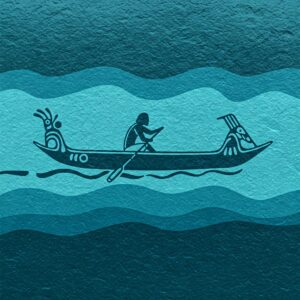
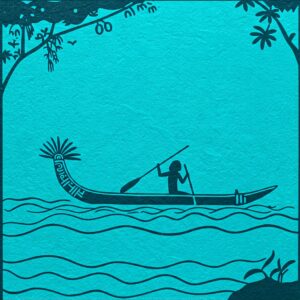
Love this cover artwork? Check out the 5 alternatives above the comment section below.

Table of Contents

Who Truly Conquered the Amazon?

The Amazon River, a vast and untamed wilderness, presents an unparalleled challenge to those who dare to navigate its waters. A modern Guinness World Record celebrates a feat of human endurance: rowing its entire length. But beyond the record books lies a deeper question: who truly conquered this mighty river first? This exploration delves into the raw adventure of modern expeditions while acknowledging the ancient journeys of Indigenous peoples, whose lives have been intertwined with the Amazon’s wild currents for millennia.

The Pioneers: Mark de Rond and Anton Wright's Historic Row

In 2013, Mark de Rond and Anton Wright etched their names into the annals of outdoor adventure by becoming the first to row the Amazon’s navigable length. Their incredible journey, a testament to sheer physical and mental fortitude, earned them a Guinness World Record. Setting off from Nauta, Peru, their grueling expedition began in early September of 2013 and concluded in Macapá, Brazil. This remarkable feat saw them cover approximately 3342 km of relentless rowing, battling scorching heat and suffocating humidity, navigating treacherous currents, and facing the ever-present threat of caimans and other wildlife.

This journey took them 32 days to complete. Their success wasn’t just a record; it was a grueling test of human endurance against the raw power of one of Earth’s most formidable rivers. Their journey required specialized equipment, detailed planning, and a deep understanding of river navigation. Throughout their expedition, Mark de Rond and Anton Wright maintained an interactive website, complete with blog posts and maps that meticulously tracked their progress, allowing followers to experience their journey in near real-time. 

Anton
Anton Wright with Ass out on Amazon River Tripumpant

Honorable Mentions: Endurance Limits and the Unpredictable Amazon

More recently, the “Endurance Limits” team embarked on their own ambitious quest to break the world record for the fastest row of the Amazon, while raising funds for Great Ormond Street Hospital. Their journey, however, serves as a powerful reminder of the river’s untamed nature. After 21 days and 4,500 kilometers of rowing, the team was forced to cut their journey short, 500km from their destination of Macapa. An unexpectedly early and intense rainy season brought with it punishing headwinds of up to 30mph, making further progress not only incredibly difficult, but also unsafe. The team’s decision to prioritize safety in the face of such overwhelming natural forces highlights the inherent risks of such an outdoor adventure. The team showcased incredible outdoor skills, including expert rowing, navigation, and the ability to adapt to extreme and rapidly changing conditions. Similar to the 2013 expedition, Endurance Limits used an interactive website and social media to track their progress, offering detailed blogs, maps, and updates. This allowed followers to stay updated on the teams progress, and to see the challenges that they faced.

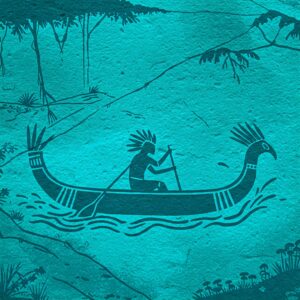
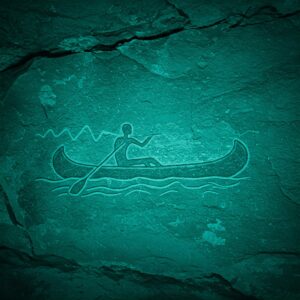
Canoe Race Sketch
Sketch of American Indigenous Groups in Canoe Race

A River of Ancient Journeys

It’s crucial to acknowledge that Indigenous peoples have inhabited the Amazon basin for thousands of years, possessing profound knowledge of its rivers and ecosystems. Their understanding of the Amazon’s intricacies, passed down through generations, represents a mastery of outdoor skills and survival. While Western records may highlight de Rond and Wright’s expedition as the ‘first,’ it’s highly probable that Indigenous communities undertook similar or even more extensive river journeys long before. Their oral histories and traditional knowledge, though often unrecorded, speak to their deep connection with the Amazon and their mastery of its waterways.

Groups like the Tupí and the Arawak peoples, known for their extensive trade networks and migratory patterns, possessed the sophisticated canoe-building skills and navigational expertise required for long-distance river travel. The Tupí, for example, were known for their large, seaworthy canoes and their expansive migrations across South America. The Arawak people had a similarly large network of trade along the major rivers of the Amazon. These groups, among many others, likely navigated the Amazon’s vast network for trade, resource gathering, and cultural exchange.

Keep them clean!

From the modern feats of record-breaking rows to the ancient journeys of Indigenous peoples, the Amazon River stands as a testament to human connection with the natural world. As we reflect on the challenges and triumphs of those who have dared to navigate its waters, let us also remember our collective responsibility. Whether we explore its vast expanse or cherish the quiet flow of a local stream, we are all river stewards. It is our duty to ensure these vital arteries, these life-giving currents, remain clean and healthy for generations yet to come, honoring both the past and the future of our planet’s precious waterways.

F.A.Q.

In 2013, Mark de Rond and Anton Wright achieved a Guinness World Record for being the first to row the navigable length of the Amazon River.

No, the “Endurance Limits” team did not break the world record. They had to cut their journey short due to unexpectedly severe weather conditions.

Indigenous histories were often passed down orally, and early Western explorers focused on resource extraction, not documenting Indigenous achievements.

Indigenous people had superior canoe building skills, navigational expertise, and an intimate understanding of the Amazonian ecosystem.

They face extreme weather, dangerous wildlife, treacherous currents, and the sheer physical and mental endurance required for such a long journey.

Additional resources

Related Content
Don't miss a drop.
Sign up for new river alerts! We're continually expanding our collection with amazing waterways from around the globe. If you're searching for a specific river to enhance your craft, spiritual or research practices, subscribe to stay informed.
subscribe
Editor's note

This blog post uses publicly available information from various sources, synthesized with the help of AI, as a starting point for exploring the world of rivers. Our editors review the content for accuracy, though we encourage readers to verify information intended for primary source use. We strive to use public domain, licensed, or AI-generated images; due to the nature of online sharing, individual image sources are generally not credited. Please contact us regarding any copyright concerns.

Featured Friends
Amazon Aid.
Amazon Aid is a non-profit organization dedicated to preserving and protecting the Amazon rainforest, focusing on the detrimental effects of illicit gold mining. Through education, advocacy, and collaborative efforts, they work to cultivate a cleaner gold supply chain, combat environmental destruction, and strengthen human rights within the Amazon region.
featured
our river collection
Crossword Puzzle

Collection Map
Let's Celebrate.
Travel the world, one river at a time. Explore our map and follow us as we collect precious rivers. Become part of the story by owning your own drops of history.
map
River Clips
Collection Videos.
Trace the origins of our extraordinary river water collection. Watch captivating video clips that capture the breathtaking birthplaces of these rivers.
videos
Be a River Guardian
recent posts
Science
The 10 Largest River Systems in Asia: Ranked by Length and Basin Size

Rivers are the rhythmic pulse of a landscape, carrying more than just water; they transport the history, nutrients, and economic vitality of the regions they touch. From the glacial heights of the Tibetan Plateau to the sprawling industrial deltas of the coast, these ten river systems represent the sheer scale of the continent’s drainage basins. Along with the geography, we’ve included a BasinScore™ for each—a unique rhythmic data profile produced by Basin Beats™—allowing you to hear the heartbeat of the water.

Read More »
News
Central Saudi Arabia Flood Update: Wadi Hanifa and Wadi Al-Batha Levels Rising in Riyadh, Al-Kharj

Current monitoring shows water levels nearing bank-full at the Wadi Hanifa Wetlands as of April 17, 2026. While the Kingdom’s desert wadis often remain dry, the current atmospheric pressure system has triggered significant runoff, turning dry riverbeds into dangerous torrents that threaten low-lying residential sectors and critical transport arteries across the central plateau.

Read More »
History
Book Review: The Invention of Nature by Andrea Wulf – The Global Web of Life and the Forgotten Father of Environmentalism

Andrea Wulf doesn’t hand you a dry historical record; she restores the physical muscle of a man who saw the world as a single, breathing organism. From the 19,413-foot ledge of Chimborazo to the Krakow shelves where the journals were filed, this review looks at the grit required to map the global Web of Life. It’s time to rediscover the surveyor who warned us of a changing climate two centuries before the world was ready to listen.

Read More »
Alternative Covers

We had multiple art options for this post’s cover, but only one could make the cut. Here are 5 runner-ups. Did we choose the right one?

Leave a Reply

Your email address will not be published. Required fields are marked *

For security, use of Google's reCAPTCHA service is required which is subject to the Google Privacy Policy and Terms of Use.