Exploring River Types for Outdoor Fun
Just like a city boasts diverse layouts with distinct neighborhoods, each river presents a unique form, a “personality” shaped by its flow and the land it traverses. This form, known as channel morphology, might seem like a scientific term, but it’s surprisingly relatable to the urban landscapes we know. Join us as we explore the different types of rivers, unveiling their characteristics by comparing them to familiar cityscapes, and discovering how this understanding enhances our outdoor adventures.
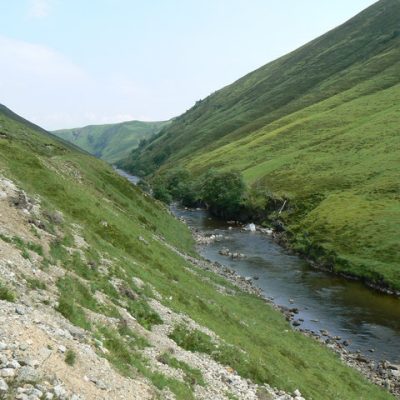
Straight Channels: Rivers Like Planned Avenues - Efficiency and Control for Focused Thrills
The straight channel, scientifically defined as a river reach with a low sinuosity, mirroring a newly planned avenue, often offers efficient flow but can be less diverse in terms of habitats and recreational opportunities. The higher energy gradients can sometimes make them suitable for certain activities, while limiting others. Straight river channels often form where the underlying geology strongly controls the river’s course, such as along fault lines or in steep, narrow valleys that limit lateral movement. Human intervention, like channelization for navigation or flood control, can also force rivers into straight paths. These channels typically have higher energy gradients, leading to more efficient sediment transport, and are less prone to the lateral erosion that creates bends.
Engaging Activities:
- Technical Whitewater Kayaking/Rafting (in confined, steep sections): Rivers like parts of the Upper Rhine as they cut through gorges can offer intense, Class III-IV rapids requiring skilled maneuvering in a direct, powerful flow.
- Point-to-Point Expedition Canoeing (on larger, straighter stretches): Imagine a multi-day trip down a relatively straight section of the Tennessee River before it was heavily modified, focusing on covering distance efficiently and experiencing the changing riparian landscapes.
- Spear Fishing for Fast-Moving Species: The focused currents in some straight channels, like parts of the Caledon River, might create habitats for specialized, agile fish that present a unique spearfishing challenge.
- High-Speed Jet Boating (where permitted): The unobstructed stretches of some straight, larger rivers like parts of the Belaya River can be ideal for experiencing the thrill of jet boating and the surrounding scenery at speed.
- Technical Whitewater Kayaking/Rafting (in confined, steep sections): Rivers like parts of the Upper Rhine as they cut through gorges can offer intense, Class III-IV rapids requiring skilled maneuvering in a direct, powerful flow.
Global Examples:
- Sections of the Upper Rhine River (Europe), particularly where channelized for navigation, optimizing flow for shipping.
- Parts of the Tennessee River (USA), especially those engineered with locks and dams for navigation and flood control, straightening its natural course.
- The Caledon River (Lesotho/South Africa), in straighter upper reaches confined by the resistant bedrock of the Maloti Mountains.
- The Numedalslågen River (Norway), with linear sections carved by glacial action through resistant bedrock.
- The Belaya River (Bashkortostan, Russia), exhibiting straight stretches where its path is dictated by tectonic structures.
- Engineered sections of smaller irrigation canals worldwide, designed for efficient water conveyance.
- Sections of the Upper Rhine River (Europe), particularly where channelized for navigation, optimizing flow for shipping.
Meandering Channels: Rivers Like Park Paths - Gentle Exploration and Immersion in Nature's Details
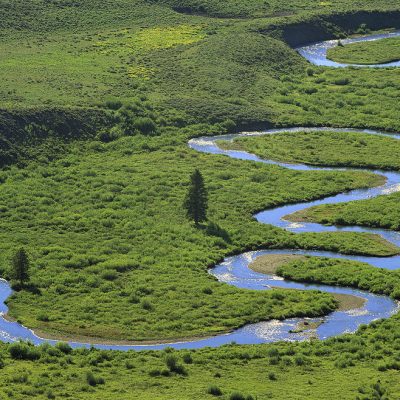
The meandering channel, scientifically a river with high sinuosity and a series of bends (meanders) that migrate over time, is akin to a pedestrian path winding through a park, typically offers a more diverse range of habitats and gentler flow conditions, making it ideal for a variety of outdoor activities. Meandering rivers typically develop in areas with gentle slopes and fine-grained, easily erodible sediment. The curves are a natural consequence of the flow dynamics: water flows faster on the outer bend, causing erosion, while slower flow on the inner bend leads to deposition of sediment, forming point bars. Over time, this process causes the meanders to become more pronounced and to migrate across the floodplain, sometimes even cutting off loops to form oxbow lakes.
Engaging Activities:
- Wildlife Photography and Birdwatching from a Canoe: Imagine silently paddling the oxbow lakes and back channels of the lower Mississippi, capturing images of wading birds, turtles basking on logs, and perhaps even glimpses of alligators.
- Multi-Day Wilderness Canoeing/Camping Trips: Picture a leisurely journey down the Sông Bé River in Vietnam, camping on sandy point bars under the stars and waking to the sounds of the tropical rainforest.
- Fly Fishing for Diverse Freshwater Species: The varied habitats of the Rio San Juan – from deep pools to shallow riffles – offer opportunities to target different species of tropical fish with a fly rod.
- Slow-Paced Tubing and Swimming in Natural “Lazy Rivers”: Envision a relaxing float down a wide meander of a tributary to the Coorong Lagoon, stopping to swim in the warmer, slower-moving sections.
- Botanical Kayaking Tours: Explore the intricate riparian vegetation along the bends of the Amazon River’s floodplains, identifying unique plant species and their adaptations.
- Wildlife Photography and Birdwatching from a Canoe: Imagine silently paddling the oxbow lakes and back channels of the lower Mississippi, capturing images of wading birds, turtles basking on logs, and perhaps even glimpses of alligators.
Global Examples:
- The lower Mississippi River (USA), famous for its oxbow lakes, remnants of its constantly shifting meanders across a wide floodplain of fine sediment.
- The Amazon River (South America) in its lower reaches, displaying broad and intricate meanders across its vast, low-gradient floodplain.
- The Yellow River (Huang He, China), known for its extreme sinuosity and frequent avulsions (sudden changes in course) due to its immense sediment load on a flat plain.
- The Sông Bé River (Vietnam), meandering significantly across its low-lying floodplain composed of easily eroded alluvial deposits.
- The Rio San Juan (Nicaragua/Costa Rica), forming a sinuous border through low-lying rainforest with fine sediment banks.
- Tributaries of the Coorong Lagoon (South Australia), exhibiting intricate meanders across coastal plains with fine silts and clays.
- The lower Mississippi River (USA), famous for its oxbow lakes, remnants of its constantly shifting meanders across a wide floodplain of fine sediment.
Braided Channels: Rivers Like Busy Transportation Hubs - Dynamic Landscapes and Rugged Adventures
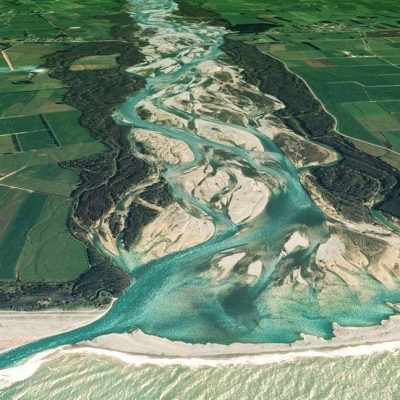
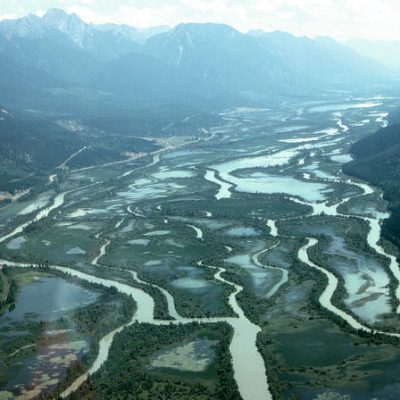
The braided channel, scientifically a river with multiple interconnected, shallow, and shifting channels separated by bars and islands of sediment, mirroring a busy transportation hub, offers a dynamic and often rugged landscape that presents unique adventurous opportunities for those who appreciate a more challenging and ever-changing environment. Braided rivers are characteristic of systems with a high sediment load relative to their discharge and highly variable flow regimes. This often occurs downstream of glaciers or in arid and semi-arid regions with flash floods. The high sediment load overwhelms the river’s ability to transport it as a single thread, leading to deposition in the channel, which then forces the flow to split into multiple, shallower pathways around these bars. The unstable nature of these bars and the fluctuating water levels cause the channels to constantly change and reform.
Engaging Activities (requiring skill and local knowledge):
- Packrafting and Wilderness Camping on Shifting Gravel Bars: Imagine navigating the complex channels of the Brahmaputra in a packraft, scouting routes and setting up camp on temporary gravel islands in a vast, powerful landscape.
- Extreme Fly Fishing for Anadromous Species: Some braided rivers, like the Tagliamento, might have stable side channels where skilled anglers can target migrating fish in a challenging, multi-channel environment.
- Off-Trail Hiking and Geological Exploration of Exposed River Features: During low flow on rivers like the Rakaia, extensive gravel bars are exposed, offering unique opportunities for hiking and observing the river’s geomorphological processes.
- Fat Biking on Wide, Stable Gravel Bars (seasonal): In certain braided rivers like the Teklanika during specific flow regimes, wide, packed gravel bars might allow for unique fat biking adventures through the riverbed.
- Packrafting and Wilderness Camping on Shifting Gravel Bars: Imagine navigating the complex channels of the Brahmaputra in a packraft, scouting routes and setting up camp on temporary gravel islands in a vast, powerful landscape.
Global Examples:
- The Brahmaputra River (Asia), especially in its upper reaches where it receives massive sediment input from the rapidly eroding Himalayas and experiences significant seasonal flow variations.
- The South Platte River (USA) in its upper reaches, influenced by the erodible slopes of the Rocky Mountains and periodic high flows.
- The Tasman River (South Island, New Zealand), a classic braided river fed by the meltwater and abundant coarse sediment from the Southern Alps glaciers.
- The Tagliamento River (Italy), a relatively natural and dynamic braided system in the Alps, characterized by high sediment loads and variable discharge from snowmelt.
- The Rakaia River (South Island, New Zealand), prominent on the Canterbury Plains, carrying large volumes of gravel and experiencing fluctuating flows.
- The Teklanika River (Alaska, USA), braided due to the constant supply of glacial till and meltwater in the dynamic environment of Denali National Park.
- The Brahmaputra River (Asia), especially in its upper reaches where it receives massive sediment input from the rapidly eroding Himalayas and experiences significant seasonal flow variations.
Anastomosing Channels: Rivers Like Canal Systems with Park Islands - Stable Pathways for Immersive Exploration
The anastomosing channel, scientifically a river with multiple interconnected, deeper, and less dynamic channels separated by stable, often vegetated islands, similar to a canal system with park islands, offers more stable and defined pathways for water-based activities compared to braided rivers. Anastomosing rivers typically form in low-gradient environments with cohesive (fine-grained) bank materials and a relatively stable discharge. The cohesive banks resist erosion, allowing for the development of multiple stable channels separated by floodplains that become vegetated over time, forming islands. These systems are less prone to the rapid channel shifts seen in braided rivers and often transport a mix of suspended and bedload sediment.
Engaging Activities:
- Multi-Day Canoe or Kayak Expeditions with Island Camping: Picture paddling through the intricate network of the Okavango Delta, camping on remote, wildlife-rich islands and experiencing the unique biodiversity of this inland delta.
- Guided Birdwatching and Wildlife Safaris by Small Boat: Explore the stable channels of the Magela Creek, observing the diverse birdlife and potential crocodile sightings from a small, maneuverable boat.
- Photography and Nature Journaling from Floating Platforms: Imagine setting up a stable platform on a calm section of the Inner Niger Delta, capturing the unique wetland landscapes and documenting the local flora and fauna.
- Sustainable Fishing in Defined, Stable Habitats: The stable channels of rivers like the Carmans River often support healthy fish populations, offering opportunities for responsible angling.
- Exploring Mangrove Ecosystems by Kayak: Paddle through the intricate, stable channels of the Sunderbans, observing the unique adaptations of mangrove forests and the diverse wildlife they support.
- Multi-Day Canoe or Kayak Expeditions with Island Camping: Picture paddling through the intricate network of the Okavango Delta, camping on remote, wildlife-rich islands and experiencing the unique biodiversity of this inland delta.
Global Examples:
- The Okavango Delta (Botswana), a large inland delta with a complex anastomosing network where low gradients and dense vegetation stabilize the channels and islands in a sandy environment.
- The Magela Creek (Australia) within Kakadu National Park, flowing through a low-gradient floodplain with fine sediment banks that support stable, vegetated islands.
- The Inner Niger Delta (Mali), a vast inland delta where low slopes and flood dynamics have created a stable network of channels and vegetated floodplains.
- The Peace-Athabasca Delta (Canada), featuring interconnected channels and extensive peat-rich vegetated islands in a low-energy environment.
- The Sunderbans (Bangladesh/India), with mangrove-lined channels forming an anastomosing pattern where the dense root systems stabilize the banks in a tidal environment.
- The Carmans River (Long Island, USA), a smaller example of an anastomosing system in a coastal plain environment with fine sediments and stable vegetation along the channel margins.
- The Okavango Delta (Botswana), a large inland delta with a complex anastomosing network where low gradients and dense vegetation stabilize the channels and islands in a sandy environment.
Discover Your River's Personality, Plan Your Adventure
From the efficient straight channels to the intricate anastomosing networks, each of the river “personalities” we’ve explored offers a unique landscape and a distinct set of opportunities for outdoor enthusiasts. By understanding the fundamental form of a river, you can better anticipate its flow, identify prime habitats, and ultimately choose the perfect waterway for your next paddling trip, fishing expedition, or riverside exploration. So, get out there, observe the river’s many faces, and let its morphology guide your next adventure!
To understand the broader scientific forces that shape these landscapes, explore our comprehensive guide on Fluvial Geomorphology, where we break down the five stages of river evolution and landform creation.
Keep them clean!
Just as the diverse “personalities” of rivers enrich our outdoor adventures, so too does their ecological health enrich our planet. From the efficient flow of straight channels to the intricate habitats of meandering and anastomosing systems, each river type plays a vital role in the natural world. As we explore and enjoy these varied waterways, let’s remember our responsibility to protect their unique character and the delicate ecosystems they support, ensuring these vibrant “faces” of our planet continue to inspire and sustain generations to come.
F.A.Q.
River channel morphology refers to the fundamental shape or form of a river channel, which is influenced by its flow and the land it traverses. It determines the river’s “personality,” ranging from straight to winding.
The four main types of river channels discussed are straight channels, meandering channels, braided channels, and anastomosing channels.
Straight river channels have low sinuosity, often offer efficient flow, and can form in areas with strong geological control or due to human intervention like channelization. They typically have higher energy gradients.
Meandering river channels have high sinuosity with a series of bends (meanders) that migrate over time. They typically develop in areas with gentle slopes and easily erodible sediment, offering diverse habitats and gentler flow.
Anastomosing river channels feature multiple interconnected, deeper, and less dynamic channels separated by stable, often vegetated islands. They form in low-gradient environments with cohesive bank materials and relatively stable discharge.