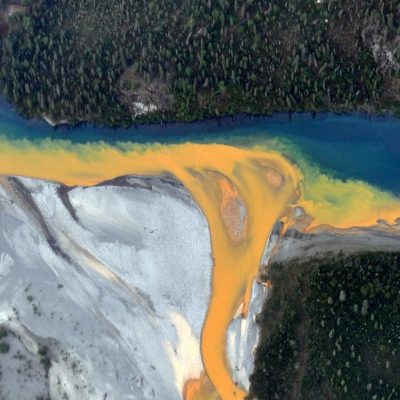


Alaska's Orange Rivers: A Stark Warning from the Wild
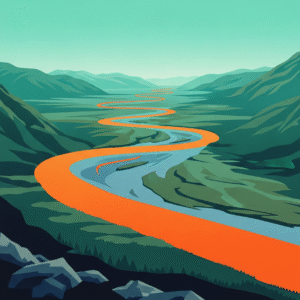
From overhead, some of these “rusting” rivers are so dramatically stained that they are visible from space. What was once the “clearest, purest water” in the Salmon River, as noted by author John McPhee in 1975, now flows with the color and opacity of “pea soup” or “milky orange juice.” This isn’t a localized incident; scientists have documented at least 75 affected waterways across a vast, Texas-sized area of northern Alaska’s Brooks Range. Notable rivers undergoing this change include the Salmon River, the Wulik River, the Kobuk River, the Kugororuk River, the Agashashok River, and tributaries within protected areas like Gates of the Arctic National Park and Preserve and Kobuk Valley National Park.
The Science Behind the Shade: Thawing Permafrost
So, what’s causing this alarming discoloration? The primary culprit points to thawing permafrost. Think of permafrost as the deeply frozen foundation of vast stretches of the Arctic. For millennia, this frozen ground has locked away a rich mix of minerals, including iron, zinc, nickel, copper, cadmium, and even mercury.
As global temperatures rise, this frozen ground thaws, exposing these formerly encased minerals to water and oxygen for the first time in thousands of years. This exposure triggers chemical reactions, leading to two main hypotheses that scientists are currently investigating:
- Acid-Rock Drainage: One theory suggests that thawing permafrost exposes sulfide minerals, like pyrite (“fool’s gold”), in the bedrock. When these react with water and oxygen, they produce sulfuric acid. This acid then dissolves iron and other metals, which are carried into the rivers, turning them orange.
- Wetlands Mobilization: Another hypothesis focuses on microbial activity in thawing wetlands. Bacteria in the soil, encountering oxygen-deprived conditions in the newly thawed, waterlogged ground, can reduce oxidized iron, making it soluble. When this soluble iron then flows into oxygenated streams, it re-oxidizes and precipitates out as rust, creating the orange hue.
It’s likely that both of these complex processes are occurring simultaneously in different areas, contributing to the widespread “rusting.”
Far-Reaching Consequences: From Fish to Drinking Water
The implications of Alaska’s changing rivers extend far beyond their striking color:
- Ecological Collapse: The increased acidity and presence of heavy metals are creating toxic environments. Fish, such as the economically and culturally vital Dolly Varden, are particularly vulnerable. Scientists have observed fish avoiding these streams and even dying, with some showing deformities. Invertebrates, crucial components of the river ecosystem, are also disappearing, leading to a dramatic decline in biodiversity.
- Threat to Communities: For Alaska Native communities like Kivalina, who have relied on these rivers for centuries for sustenance, the changes are profoundly impactful. The Wulik River, for instance, is a critical source of drinking water and fish for Kivalina residents. The potential for contaminated drinking water means communities may eventually require extensive and costly treatment systems. Furthermore, the disruption of fish populations directly threatens traditional subsistence lifestyles and food security. Imagine your city’s main water reservoir suddenly becoming undrinkable without expensive treatment – that’s the scale of concern for these communities.
- A Broader Warning: The rapid transformation of these rivers, which began to be noticed in 2008 and has intensified since 2018, underscores the far-reaching and sometimes unexpected consequences of climate change. It’s a stark reminder that even the most remote and “untrammeled” places on Earth are not immune to the impacts of global emissions.
Understanding pH Levels: What Does Acidity Mean?
When scientists talk about the acidity of these rivers, they are referring to their pH level. The pH scale measures how acidic or basic (alkaline) a substance is, ranging from 0 to 14.
- 0 to <7: Acidic (like lemon juice or vinegar)
- 7: Neutral (pure water)
- >7 to 14: Basic, or alkaline (like baking soda or soapy water). Think of alkaline as the opposite of acidic; it has a lower concentration of hydrogen ions and often a somewhat bitter or slippery feel.
For most healthy natural rivers in Alaska, the average pH is around 8, which is slightly alkaline, generally good for aquatic life. However, scientists have measured pH levels as low as 2.3 in some of these affected Alaskan streams. To put this in perspective:
- pH 7: Neutral, typical of healthy drinking water.
- pH 6.5 – 8.5: This is generally considered the optimal and safe range for drinking water by regulatory bodies like the WHO and EPA. Within this range, water usually has an acceptable taste and odor.
- pH 5 – 6: Mildly acidic, like black coffee. While not immediately dangerous for consumption in small amounts, it can impact sensitive aquatic species and may have a metallic or sour taste.
- pH 2.3 – 3.5: Highly acidic, comparable to lemon juice or vinegar. Water this acidic is extremely corrosive and toxic. It is unsafe for human consumption and lethal to most fish and other aquatic organisms. For reference, the acid in your car battery is around pH 1.
Even for water with a pH above 8.5, while it might not pose immediate health risks and is often marketed for supposed health benefits (though scientific evidence for these claims is largely lacking), it can have an unpleasant bitter taste, cause scaling in pipes, and potentially affect skin. The primary concern for health and plumbing systems often lies with water that is too acidic (below pH 6.5) because it can leach harmful metals like lead and copper from pipes into the water supply.
The dramatic drop in pH from a healthy 8 to as low as 2.3 indicates a profound and dangerous shift in water chemistry. This increased acidity, combined with the presence of mobilized metals, makes these rivers inhospitable to life and poses a direct threat to any communities relying on them without extensive treatment.
Scientists are working tirelessly to understand the full scope of this issue and predict its long-term effects. While the hope remains that these resilient river systems may eventually recover, perhaps over decades, the immediate challenge is immense. The orange rivers of Alaska are a powerful symbol of our changing planet, urging us to consider the intricate connections between our actions and the health of rivers worldwide.
Rivers of Rust: An Indigenous Lifeline Under Threat
For millennia, the Indigenous peoples of Alaska have lived in profound connection with these very rivers, their cultures, livelihoods, and identities interwoven with the health of the water. Consider the Koyukon Athabascan people, for whom the Koyukuk River has been a lifeblood, providing sustenance through fishing, trapping, and serving as a vital travel route for generations. The alarming transformation of these clear waters to a rust-orange hue, potentially due to permafrost thaw releasing iron and other heavy metals, strikes at the very heart of their way of life. The acidity and metal contamination of these “rusting” rivers can decimate fish populations, impacting critical subsistence species like salmon and whitefish that are not just food sources but central to cultural practices and ceremonies. Furthermore, the altered water quality raises serious concerns for drinking water safety, forcing communities to seek alternative, often costly, solutions. This isn’t just an ecological crisis; it’s an existential threat to Indigenous communities, eroding their ability to maintain traditional practices, secure food, and live sustainably on ancestral lands that are now undergoing a profound and unsettling change.
Keep them clean!
The alarming transformation of Alaska’s rivers is a vivid warning: no corner of our Earth is immune to climate change. These “rusting” waters directly threaten Indigenous ways of life and signal a global crisis. Our planet’s health, and the future of these vital ecosystems, hinges on our collective action. It’s time to recognize our shared responsibility, advocate for sustainability, and protect the wild places that sustain us all. What will you do to ensure a clearer future?
F.A.Q.
Dozens of formerly clear rivers in Alaska’s pristine wilderness are dramatically shifting to a startling orange, or “rusting,” hue. This striking discoloration is so profound in some areas that it’s visible from space.
Scientists have documented at least 75 affected waterways across a vast, Texas-sized area of northern Alaska’s Brooks Range. Notable affected rivers include the Salmon River, Wulik River, Kobuk River, Kugororuk River, Agashashok River, and Kutuk River, as well as tributaries within protected areas like Gates of the Arctic National Park and Preserve and Kobuk Valley National Park.
The main cause points to thawing permafrost. As rising global temperatures thaw this ancient frozen ground, it exposes minerals like iron, zinc, nickel, copper, cadmium, and even mercury to water and oxygen, triggering chemical reactions that lead to the orange discoloration.
pH measures how acidic or basic a substance is. Healthy natural rivers in Alaska typically have a slightly alkaline pH of around 8. However, affected streams have shown dangerously low pH levels, some as acidic as 2.3 (comparable to lemon juice), making them extremely corrosive and toxic to aquatic life and unsafe for consumption.
The rapid transformation of these rivers began to be noticed around 2008 and has intensified significantly since 2018.
Additional resources
- Why are Arctic Rivers Turning Orange? | U.S. Geological Survey
- PBS News Hour | How a warming Arctic may be eroding Indigenous history | Season 2025 | PBS
- Melting Arctic Ice Could Unleash Ancient Deadly Diseases
- How Alaska Native youth are protecting the land for their future – High Country News
- Why Are Alaska’s Rivers Turning Orange? The Shocking Truth! #alaska #river #unknownfacts