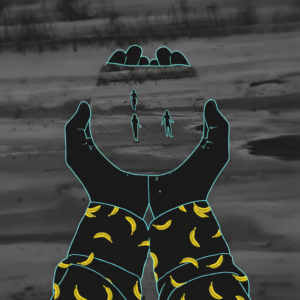
Part I: The Altered River – Structural Engineering
Structural engineering seeks to manage discharge Q, or the volume of water moving through a river channel. For a resident, this is the thin line between a peaceful neighbor and a destructive force.
1. Channelization and Levees: The Velocity Paradox
Hydraulic Efficiency vs. Downstream Energy: Straightening a river removes its sinuosity (sin-yoo-OSS-ih-tee). On the Luvuvhu River in South Africa, researchers have noted how channel modifications increase the gradient and speed, protecting local banks but delivering a violent pulse of energy to downstream floodplains.
The Siltation Cycle: Straightened channels often lose the ability to transport sediment naturally. This leads to siltation, a common issue in the Grijalva River basin in Mexico, where the riverbed chokes with mud and requires constant dredging to prevent overflow into urban zones.
The Human Speed of Response: Natural rivers rise slowly; channelized ones rise in a “flash.” This engineering choice means a family living along the modified stretches of the Kelani River in Sri Lanka may have minutes, not hours, to escape a rising surge.
2. The Role of Dams: Hydroelectric vs. Detention
The Conflict of Interest: Hydroelectric dams, like those found along the Angara River in Siberia, prioritize a high hydraulic head (water height) for power. Keeping these reservoirs full leaves zero “spare” capacity to catch sudden, unexpected rainfall surges.
Controlled Release Anxiety: Downstream safety often depends on a boardroom decision to release dam gates. Residents near the Tana River in Kenya live in a state of “gate-watch,” knowing their farms depend on human management decisions during the monsoon.
Sediment Starvation: Dams trap alluvial sediments. Over time, “hungry” rivers like the Ebro River in Spain begin to erode their own banks downstream, undermining the foundations of historical bridges and coastal deltas.
3. Impermeable Surfaces: The Hydrograph Spike
The Loss of Percolation: Asphalt and concrete stop the soil’s percolation capacity. In the rapidly urbanizing Ciliwung River basin in Jakarta, rainwater cannot soak into the earth and becomes 100% surface runoff, overwhelming storm drains instantly.
The “Flashy” Hydrograph: On a hydrograph, urbanization creates a vertical spike in water levels. For a shopkeeper near the Pasig River in Manila, this means they can go from a dry floor to a foot of water in the time it takes to eat lunch.
Thermal Pollution: Water running off hot pavement carries a thermal shock. In rivers like the Willamette River in the USA, this heat spike damages aquatic ecosystems long after the floodwaters recede, affecting the fish populations the community values.
Part II: Urban Planning & The Floodplain
The floodplain is a geological feature formed by river sediments. It is also, historically, where our greatest cities were born.
1. Encroachment and the Loss of Storage
Removing the Pressure Valve: Geologically, the floodplain is the river’s pressure valve. Urban encroachment along the Tiete River in Brazil has removed the river’s conveyance area, physically raising the water level (stage) for the entire city.
The Basement Detention Basin: When we build in the river’s territory, the water finds new storage. For a homeowner near the River Hull in the UK, this often means their basement becomes the new detention basin as the river reclaims its natural space.
Infrastructure Strandings: Placing power plants in low-lying zones severs city lifelines. Along the Yamuna River in India, encroachment has placed critical infrastructure at such high risk that rescue efforts become nearly impossible during record-breaking floods.
2. The "Levee Effect" and Risk Perception
The Psychological Trap: Barriers encourage high-density building. This “Levee Effect” is visible along the Po River in Italy, where residents feel so safe behind the walls that they may neglect flood insurance or emergency kits.
The Severity of Breach: If a levee suffers a breach, the damage is catastrophic. The water enters with a pressure far greater than a natural flood, as seen in historical events along the Yellow River (Huang He), destroying buildings that might have survived a slow rise.
False Sense of Security: Zoners often use levee-protected land for housing. This turns a geological risk into a social trap; for those living behind the dikes of the Red River of the North, the only exit routes are often the first things to submerge.
3. Zoning Laws: Transitioning to Fluvial Adaptation
Geomorphological Mapping: Modern zoning uses geomorphological (jee-oh-mor-fuh-LOJ-ih-kul) maps. In the Meuse River valley, planners identify where the river wants to go, keeping permanent structures out of the path of future migrations.
Sacrificial Landscapes: Cities are designing “sacrificial” spaces. In the Brahmaputra River basin, some regions are adopting zones that flood soccer fields instead of hospitals, allowing for a quick, low-cost cleanup after the pulse passes.
Topographic Equity: Future planning must prioritize moving high-density housing to higher topographic elevations. Along the Chao Phraya in Thailand, this means treating the “river view” as a natural buffer rather than a luxury building site.
Part III: Upstream Decisions, Downstream Consequences
A river basin is a single unit; the source (upstream) dictates the reality at the mouth (downstream).
1. Deforestation, Siltation, and Bed Aggradation
Fluvial Erosion: Clearing forests removes root-binding stability. In the Fly River catchment of Papua New Guinea, rain causes Fluvial erosion, washing sediment into the river which settles downstream.
The Rising River Bottom: This causes bed aggradation—the physical rising of the river bottom. For communities along the Kosi River in India/Nepal, the river “fills up” faster, meaning a small rain can now trigger a major flood event.
Loss of Navigability: As the bed rises, the river becomes shallow. On the Araguaia River in Brazil, this destroys local boat transport and fishing, severing the community’s historical connection to the waterway.
2. Agricultural Drainage and Subsurface Flow
The Neighbor-to-Neighbor Surge: “Tile drainage” (buried pipes) whisks water off fields instantly. While this protects a farmer’s crop in the Minnesota River basin, it creates a massive, synchronized surge for the towns located downstream.
Loss of Groundwater Recharge: Rushing water into the river prevents it from soaking in to replenish aquifers. Along the Murray-Darling system in Australia, this contributes to a cycle of violent floods followed by severe water shortages.
Nutrient Loading: Fast-moving runoff carries fertilizers into the river. In the Vistula River in Poland, this doesn’t just flood the town; it causes toxic algae blooms that make the water a hazard for human health.
3. The Domino Effect: Hydrological Externalities
The Export of Risk: If an upstream city builds a floodwall, they “export” their risk. The water that cannot spread on the banks of the Danube River in one country can increase the hydrostatic pressure for the town across the border.
The Engineering Arms Race: Towns begin an “arms race” to build the highest walls, as seen historically along the Rhine River. This makes the eventual failure of any single wall significantly more deadly for everyone involved.
The Burden of Governance: Because rivers like the Mekong River span many jurisdictions, the safety of a downstream village depends on the laws of a city hundreds of miles away where they have no political voice.
Part IV: Modern Solutions – Nature-Based Engineering
We are moving toward Integrated Water Resources Management (IWRM), which mimics natural processes.
1. Blue-Green Infrastructure (BGI)
Mimicking the Sponge: BGI uses systems like bioswales. In cities along the Yongtan River in South Korea, these engineered depressions allow water to slow down and soak into the earth where it falls.
The Urban Amenity: For residents, BGI turns a drainage problem into a parkway. Along the Isar River in Munich, restored “sponges” cool the city and protect homes from flash floods simultaneously.
Reduced Infrastructure Strain: By capturing rain at the source, BGI prevents aging sewer systems from overflowing. This keeps raw sewage out of the Spree River in Berlin and away from neighborhood streets.
2. Wetland Restoration: The Sponge Effect
Kinetic Energy Absorption: A healthy riparian wetland acts as a buffer. In the Okavango Delta, these natural systems absorb the energy of seasonal pulses, protecting the stability of the entire region.
Natural Water Treatment: Wetlands act as the “kidneys” of the river. For the community near the Dnieper River, restored marshes naturally clean the water and reduce municipal treatment costs.
Carbon Sequestration: Restoring wetlands along the Saint Lawrence River does double duty: it stops floods and pulls carbon from the atmosphere, helping to fight the climate change that makes floods more extreme.
3. Managed Realignment: "Room for the River"
Accepting the Flood Pulse: Managed realignment involves moving levees back inland. In the Waal River (a branch of the Rhine), this approach values the “flood pulse” as a natural process rather than a threat.
Trauma Reduction: Giving the river room to breathe reduces the chance of catastrophic failure. Residents near the Elbe River in Germany now face predictable water rises rather than life-altering disasters.
Reconnecting with the River: Moving defenses back often creates new trails. Along the Loire River in France, this has moved the human relationship with the river from one of fear to one of respect and recreation.
Part V: The Future of Urban Resilience
The next era of engineering is about resilient coexistence—acknowledging that we cannot always stop the water.
1. Advanced Hydrometeorological Modeling
The Power of Precision: Tools like the Rainfall–Runoff–Inundation (RRI) model run thousands of simulations. In the Jhelum River basin in Kashmir, this creates a heat map of probability, showing exactly which streets will flood hours in advance.
Actionable Data for Families: This means precise alerts for families along the Narmada River, giving them the data to move their valuables to safety and replacing blind fear with a clear, calm plan.
Surgical Evacuations: Better modeling means cities don’t have to evacuate entire districts. Along the Volga River, this saves money and lets emergency services focus on those in the most immediate danger.
2. Climate-Adaptive Architecture
The Amphibious Shift: Engineering is evolving into amphibious architecture. In the Maas River region, homes are built on buoyant foundations that rise and fall with the water level on guide posts.
Resilience over Recovery: This shifts the human experience from “recovery” to “continuity.” For a family on the Sông Hồng (Red River) in Vietnam, a flood is no longer a disaster, but a temporary change in the environment.
Modular Living: Future “floating neighborhoods” could be adjusted as levels change. This allows for a flexible city footprint along rivers like the Niger River that respects the river’s migration rather than fighting it.
3. Social Equity and Vulnerability
The Vulnerability Gap: Marginalized groups are often pushed to dangerous lands. Along the Chamelecón River in Honduras, rain increases pore water pressure within the regolith (REG-uh-lith), triggering landslides.
Justice in the Blueprint: Future planning must prioritize these high-risk lives. Resilience isn’t just about protecting a skyscraper; it’s about stabilizing the slopes for families near the Motagua River living in precarious housing.
The Human Variable: At the end of every calculation is a human life. By integrating equity into our planning, we ensure the anthropogenic river is a source of stability for everyone, from the Congo River to the Columbia River.
Conclusion
The story of human impact on flooding is one of unintended consequences. We have paved the floodplains of the Tiete, straightened the bends of the Luvuvhu, and dammed the flow of the Angara, all in the name of progress. However, as the climate shifts and our urban footprints expand, we are realizing that a river cannot be conquered—only collaborated with. By integrating scientific modeling with nature-based engineering, we can move toward a future where our cities and our waterways thrive in a balanced, resilient pulse.
Keep them clean!
A healthy river is a resilient river. When a waterway is choked with plastic, industrial waste, or excessive sediment from unplanned construction, its natural ability to manage the forces of gravity and discharge is compromised. Keeping our rivers clean isn’t just an aesthetic or environmental choice—it’s a safety imperative. By advocating for sustainable land use, supporting conservation efforts, and respecting the natural boundaries of the floodplain, we ensure that these vital arteries of our planet can continue to flow, nourish, and protect for generations to come.
F.A.Q.
While channelization protects a specific stretch of the river by whisking water away, it ignores the law of conservation of mass. By increasing the velocity of the discharge Q, you are essentially firing a “water cannon” at the communities downstream. Those neighbors then face a much more violent and sudden surge than they would have in a natural, meandering system.
Think of a floodplain as the river’s “extra storage.” When we use encroachment to build on that land, we are physically taking up space. Because the water can no longer spread out horizontally over the alluvial soil, it is forced to stack up vertically, increasing the stage (water height) for the entire city.
Without forest cover, rain causes pluvial erosion, washing soil into the river. This sediment settles on the riverbed, a process called bed aggradation. As the riverbed rises, the “bowl” of the river becomes shallower, meaning it takes much less water to spill over the banks into the streets.
Grey infrastructure refers to traditional concrete pipes and walls designed to resist water. Blue-Green Infrastructure (BGI), like the bioswales seen near the Yongtan River, uses vegetation and soil to mimic the natural “sponge” effect, absorbing and filtering water rather than just moving it elsewhere.
Advanced hydrometeorological models run thousands of “what-if” simulations. This allows local authorities to send precise, actionable alerts. Instead of a general warning, a family near the Jhelum River might be told exactly which hour the water will reach their street, allowing them to move valuables to safety.
Beyond the banks
- Asia Floods: Connecting the Why Behind the Crisis and the Rivers – River Mixer™
- Fluvial Geomorphology Explained: How Deltas, Alluvial Fans, and Rivers Form – River Mixer™
- 10 Jaw-Dropping River Islands That Will Change How You See the World – River Mixer™
- Guinness World Record Amazon River Row: But Was It the First? – River Mixer™
- A Beginner’s Guide: Canoes, Pirogues, Kayaks, and Rowboats – River Mixer™