The Current Crisis: A Familiar, Fierce Pattern
Central Vietnam is once again grappling with the devastating aftermath of extreme rainfall and subsequent flash floods. News reports highlight inundated towns, disrupted infrastructure, and the immense challenges faced by local communities. Coastal cities like Nha Trang and inland areas near Da Lat have been particularly hard-hit. While the immediate human toll is tragic, this isn’t an anomaly. Every year, as the monsoon season peaks, the region braces for intense weather. Understanding why this happens requires looking beyond the immediate weather system and delving into the deep-seated geographical and hydrological realities that make Central Vietnam a perennial flash flood hotspot.
Vietnam's River Tapestry: Three Distinct Personalities
To grasp Central Vietnam’s vulnerability, it’s crucial to understand the nation’s broader river landscape, which comprises three distinct hydrographic regions, each with its own character:
The Red River Delta (Hồng Hà, pronounced: Hawng Hah): In the north, this ancient system, home to the capital Hanoi, is a vast, low-lying delta meticulously engineered over centuries with extensive dikes and irrigation systems. Its floods, though historically severe, are slower and more predictable.
The Mekong River Delta (Sông Cửu Long, pronounced: Sohng Koo Lohng): In the south, the “Nine Dragons River” forms one of the world’s largest deltas. Here, annual floods are not just tolerated but essential for agriculture and ecosystem health, bringing vital sediment and replenishing fish stocks. It’s a rhythm of life for millions.
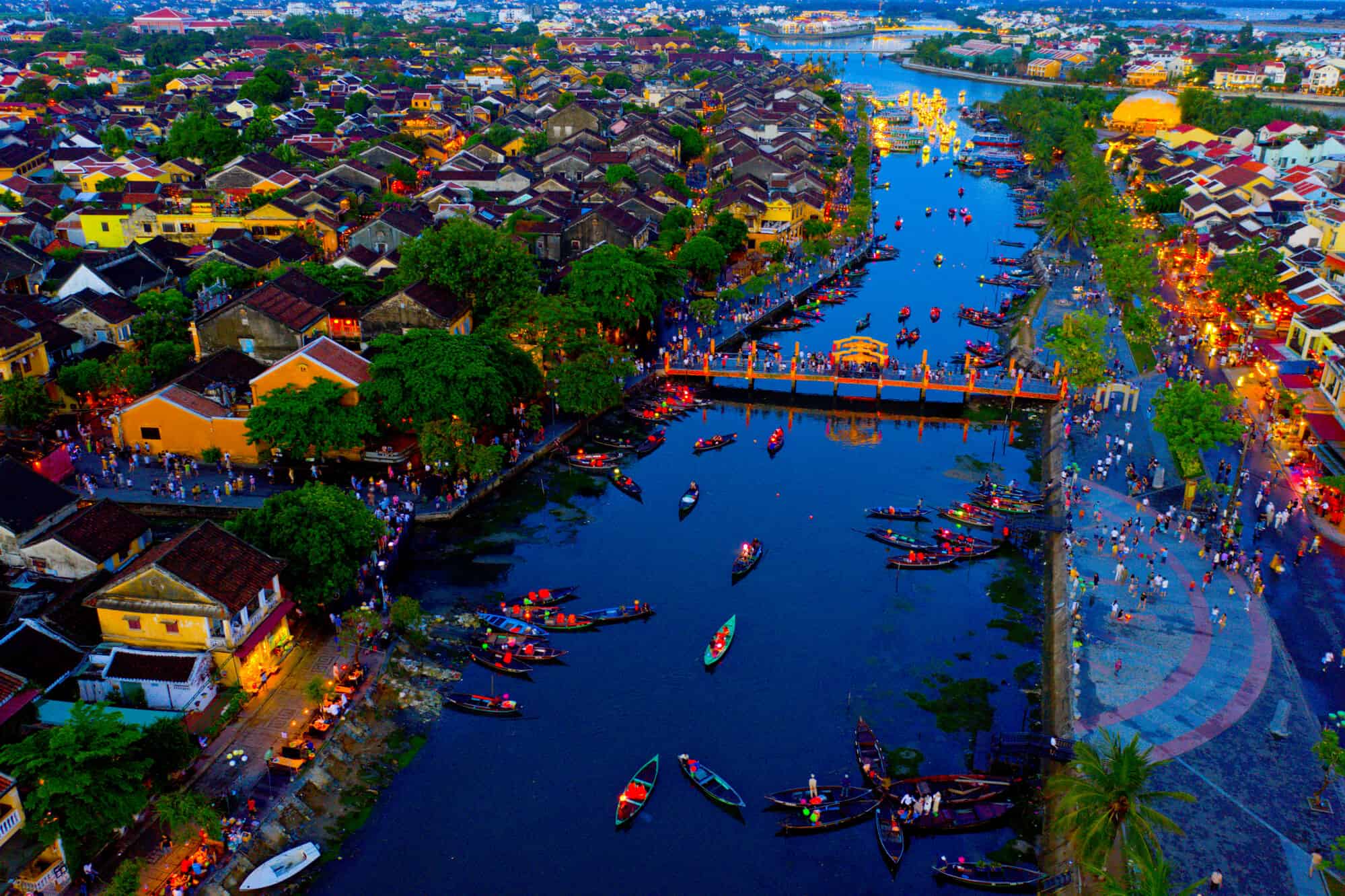
The Central Coastal Rivers: This is where the current crisis unfolds. Rivers like the Thu Bon River (flowing through Hoi An), the Huong River (perfume river, flowing through Hue), and the Tra Khuc River are relatively short, steep, and flow rapidly from the Truong Son (Annamite) mountain range directly to the East Sea.
This unique geography of Central Vietnam—a narrow strip of land sandwiched between high mountains and the ocean—is the primary driver of its extreme flood vulnerability.
The Monsoon's Fury and Geographic Funnels
The primary engine behind Vietnam’s devastating floods is the annual monsoon cycle, particularly the Northeast Monsoon and the associated typhoon season, which typically peaks between September and December. This period brings torrential rain, often exacerbated by tropical storms or typhoons making landfall directly over the country’s central provinces (e.g., Dak Lak and Khanh Hoa).
When these storm systems dump hundreds of millimeters of rain in a short period onto the steep slopes of the Truong Son mountains, the water has nowhere to go but down. The short, narrow riverbeds act like funnels, rapidly channeling massive volumes of water towards the coast. Unlike the expansive deltas where floodwaters can spread out, Central Vietnam’s geography provides little buffering capacity, leading to rapid rises in river levels – the very definition of a flash flood. The consequences are immediate and often catastrophic, with rivers bursting their banks and triggering deadly landslides on saturated slopes, which tragically cut off key mountain passes.
A History Forged in Water: Resilience and Adaptation
For centuries, the people of Vietnam have lived with the ebb and flow of their rivers, constantly adapting their lives and livelihoods. Vietnamese farmers and communities in central regions have developed traditional forms of resilience, from building houses on stilts to designing multi-purpose infrastructure that can withstand or even embrace seasonal inundation.
Historically, managing water has been central to governance and survival. While the Red River Delta boasts a history of sophisticated dike systems dating back over a millennium, the central provinces have focused more on adapting to rapid, localized events. This ongoing struggle is woven into the fabric of Vietnamese culture, inspiring unique architectural styles and agricultural practices that reflect a deep understanding of, and respect for, the powerful forces of nature.
The Double-Edged Gift: Floodwaters as Fertility
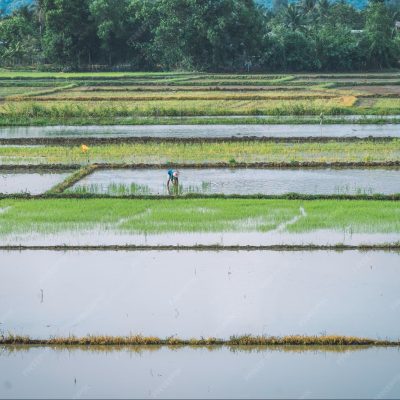
Despite the devastation, river floods are not entirely malevolent. For agricultural powerhouses like the Mekong Delta, the annual flood pulse is a lifeblood. These floodwaters carry alluvial sediment (pronounced: uh-LOO-vee-ul) – nutrient-rich soil particles eroded from upstream – which are deposited across the land. This natural fertilization is crucial for replenishing the fertility of farmlands, supporting Vietnam’s status as a global leader in rice production.
The floods also rejuvenate wetland ecosystems, replenish groundwater, and support the prodigious freshwater fisheries that sustain millions. It’s a profound paradox: the very water that brings destruction in one region provides the essential nutrients and ecological balance that allow other parts of Vietnam to flourish. The challenge, particularly in the central provinces, is that the destructive speed of the floods often outweighs their fertilizing benefits.
Climate Change: Intensifying an Ancient Struggle
While the geographic and monsoon factors are constant, climate change is significantly intensifying the frequency and severity of these events. Warmer ocean temperatures fuel more powerful typhoons, and a warming atmosphere holds more moisture, leading to unprecedented rainfall totals. This means that the “annual pattern” of flash floods in Central Vietnam is becoming more extreme and unpredictable, pushing local communities and infrastructure to their limits. The resilience built over centuries is now tested by forces on an accelerated global scale, turning traditional challenges into acute crises.
A Regional Crisis with a Global Solution
The flash floods of the Thu Bon River and the Huong River are no longer just isolated seasonal hurdles; they are part of a synchronized pattern of “rebellious” water we are seeing across the continent. As we have explored in our broader look at [Asia Floods: Connecting the Why Behind the Crisis and the Rivers], the convergence of climate superchargers and landscape mismanagement is putting unprecedented pressure on every major basin from the Mekong to the Ganges.
However, while geography and climate provide the “why” behind the disaster, the “how” of our response defines the future. Managing the volatile Tra Khuc River or the urban corridors of Central Vietnam requires more than just taller dikes; it requires a fundamental shift in how we build. This transition is the core of [The Ultimate Guide to Human-Driven Flooding: How Engineering and Urban Planning Shape Our Rivers]. In that strategic blueprint, we dive into the “Sponge City” models and nature-based engineering solutions essential for transforming these volatile waterways back into the resilient, life-giving anchors they were always meant to be.
The Two Faces of the Vietnamese River: From Flash Floods to "Hungry Water"
To understand the geography of Central Vietnam, one must also look at the contrast provided by the South. While the Thu Bon and Huong rivers are defined by their verticality and sudden, violent speed, the Mekong represents a different kind of crisis.
In Central Vietnam, the water is a heavy, physical force that carries debris and mud down steep slopes. In the Mekong Delta, the water is becoming “hungry”—a term used when dams trap the silt and stones that usually nourish the soil, leaving the river to “eat” its own banks to compensate.
We have explored this duality through our sonified project, Mekong River Song: “Hungry Blue” – Lyrics & The Sonified Sound of the Mother Water. Rather than using metaphors, the lyrics focus on the concrete realities of the Mekong.
The Silt: The fine, gritty particles that should be settling in the rice fields.
The Concrete: The heavy barriers of upstream dams that change the river’s pulse.
The Nets: The nylon mesh that comes up light and empty as the ecosystem shifts.
While Central Vietnam fights the speed of the river, the Mekong struggles with its content. Both are reminders that a river’s geography determines the life—or the struggle—of the people living on its banks.
Keep them clean!
The story of Vietnam’s rivers, particularly their struggles and triumphs during flood seasons, offers a powerful reminder for all of us. Rivers are not merely lines on a map; they are dynamic ecosystems that sustain life, shape cultures, and dictate geographies. They are also incredibly vulnerable. As readers of River Mixer, understanding their power and fragility is paramount. Let the challenges faced in Central Vietnam inspire us to deepen our commitment to river awareness. This means supporting conservation efforts, advocating for sustainable land use practices, and simply respecting the natural processes that govern these vital waterways. A clean, healthy river is more resilient, better able to manage the forces of nature, and ultimately, better equipped to support both human and ecological well-being. By fostering a global consciousness about river health, we contribute to a future where rivers can continue to flow, nourish, and inspire, even in the face of their most challenging seasons.
F.A.Q.
The flooding is geographically distinct. Central Vietnam’s floods are typically rapid, destructive flash floods caused by short, steep rivers rushing from the mountains to the sea. The Mekong Delta’s floods, conversely, are slower, predictable seasonal floods that are essential for nourishing the soil and supporting agriculture.
Central Vietnam’s unique geography is the cause. The steep Truong Son (Annamite) mountains run extremely close to the coast. When heavy rain falls, the water funnels down the short, narrow riverbeds (like the Thu Bon and Huong rivers) too quickly to dissipate, resulting in rapid, destructive flash flooding and landslides.
The most intense flood season in Central Vietnam is typically during the late part of the Northeast Monsoon and associated Typhoon Season, generally running from September through December. This is when the region receives the heaviest and most concentrated rainfall.
Communities have developed a deep historical resilience. Adaptations include building homes on stilts (nhà sàn), using multi-purpose infrastructure, and timing agriculture to harmonize with the expected annual flood cycles to minimize damage and leverage the water resources.
Climate change intensifies the floods by increasing the severity of the natural pattern. Warmer seas fuel more powerful typhoons, and a warmer atmosphere holds more moisture, leading to unprecedented and less predictable rainfall totals that overwhelm river systems.