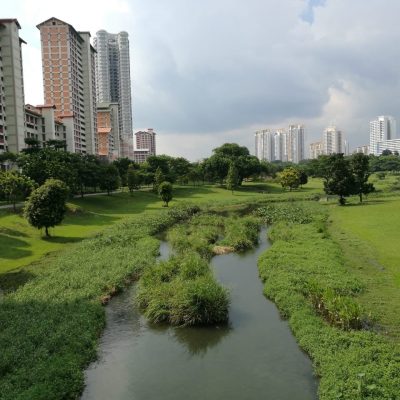
Introduction: The Water's Unsettling Power
For travellers, Asia’s rivers have always been the pulse of its profound cultural heritage. They are the great geographical anchors—the Mekong Delta’s rice basket, the Ganges’ spiritual flow, the Yellow River’s (Huánghé) historic cradle. To the hobby geologist, they represent immense power, constantly reshaping the land. But the waters that once nourished civilizations have recently turned savage. In a terrifying and coordinated pattern, South and Southeast Asia experienced catastrophic flooding, linking nations from Sri Lanka to the deep jungles of Sumatra. This was not merely a bad monsoon season, but a convergence of forces suggesting a new and more destructive hydrology is taking hold across the region.
A New Climate Calculus: The Supercharger Effect
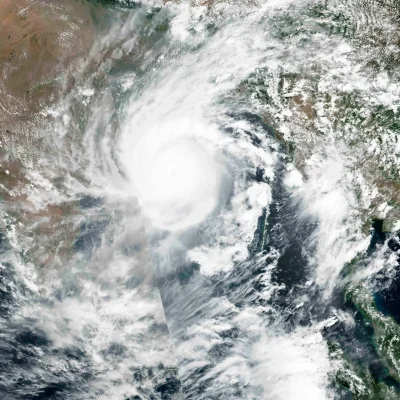
The primary, undeniable driver behind the recent tragedies lies in the global climate crisis, which has fundamentally altered the mechanism of rainfall. Climate science tells us that a warmer atmosphere holds exponentially more moisture—about 7% more per degree Celsius of warming. When intense weather systems like Tropical Cyclones Senyar and Ditwah form over the warming North Indian Ocean, they become “climate superchargers,” carrying unprecedented volumes of water. This results in extreme, sustained downpours that the regions’ river basins are simply not engineered to handle. The atmospheric capacity for water has increased, turning what would have been heavy rains into cataclysmic deluges.
The Amplifying Anomalies: Natural Cycles Gone Extreme
These intense, climate-fueled systems often coincide with natural, large-scale weather phenomena that maximized precipitation. The erratic behavior of the Northeast Monsoon, for instance, has delivered moisture far exceeding historical norms in some areas. Simultaneously, the lingering influence of climatic cycles like La Niña has contributed to above-average rainfall, particularly across the equatorial regions. The convergence of these climate-changed weather patterns and natural cycles creates a perfect, destructive storm. It transforms the expected seasonal river swelling in major waterways, such as the Irrawaddy in Myanmar and the tributaries feeding the Red River in Vietnam, into catastrophic overflows and deadly flash floods.
Regional Context: The Flood's Footprint in Data
The human and economic toll of the recent river disasters demonstrates the scale of the region-wide crisis:
Sri Lanka (Post-Cyclone Events):
Casualties: Hundreds of deaths and missing persons reported.
Impact: Approximately 1.5 million people recently affected.
Context: Landslides were a primary killer in the hill districts (Kandy, Nuwara Eliya), exacerbated by severe flooding along rivers like the Mahaweli Ganga (MAH-hah-we-lee GUNG-guh).
Indonesia (Recent Flash Floods):
Casualties: Hundreds of fatalities reported across Sumatra.
Displacement: Hundreds of thousands of people recently displaced.
Context: Devastation in North and West Sumatra was driven by flash floods and landslides, often where deforestation left critical river catchment areas highly vulnerable.
Thailand (Severe Monsoon Floods):
Impact: Millions of residents affected across numerous provinces.
Rainfall Anomaly: Some cities have recently recorded rainfall amounts in a single day that represent a multi-century return period anomaly.
Economic Blow: Damage estimated at billions of US dollars.
Vietnam (Flash Floods & Cyclones):
Casualties: Hundreds of deaths and missing persons reported during recent severe seasons.
Context: Record-breaking 24-hour rainfall was noted in Central Vietnam, with historic flood levels recently exceeded on the Ky Lo River and Ba River.
Philippines (Multiple Intense Typhoons):
Impact: Up to 13 million people have been affected by recent series of intense typhoons.
Geology vs. Human Vulnerability: Where Rivers Rebel
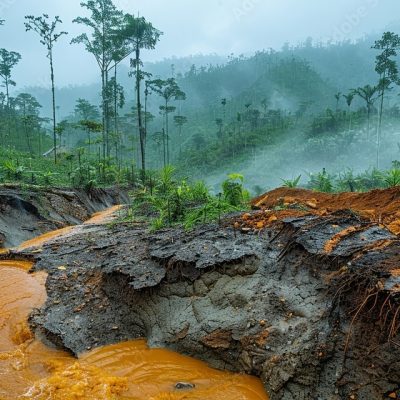
While the trigger was extreme rain, the sheer destructive force was amplified by the way humans have managed, or mismanaged, the geological landscape around these river systems. The link between widespread deforestation for agriculture, timber, and illegal mining, particularly across Sumatra’s hilly regions, has become devastatingly clear. Trees act as natural sponges and soil stabilizers; their removal eliminated the landscape’s ability to absorb moisture. When torrential rain hits the headwaters of numerous local rivers, the water ran off instantly, accelerating flash floods and triggering massive, destructive landslides that buried entire communities. This transformed a heavy rainfall event into a cascading disaster of mud and debris.
Urban Encroachment: Paving Over the Floodplains
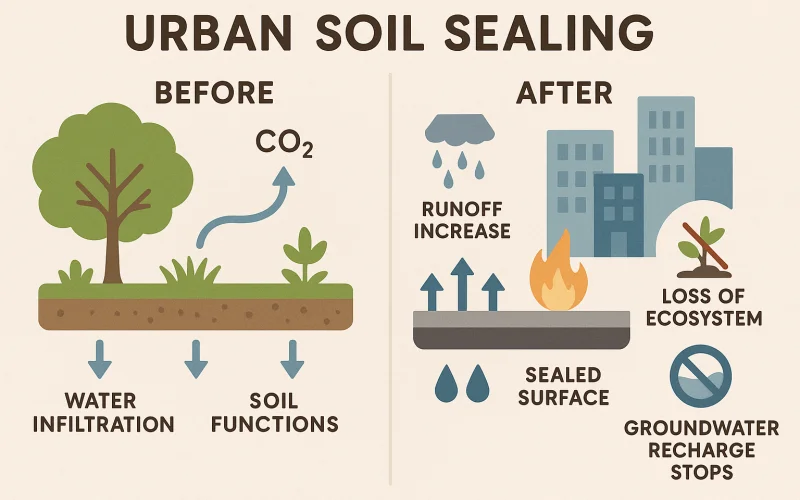
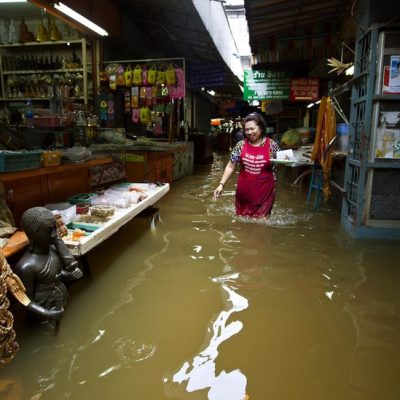
This human vulnerability is not limited to remote jungles. Across major Asian cities, rapid and often unplanned urbanization has seen construction spread deep into the historical floodplains of rivers like the Chao Phraya in Thailand and key tributaries of the Ganges. Geologically, these floodplains are the river’s natural release valve—flat areas meant to absorb and temporarily hold excess water during peak flow. By paving over these critical zones, the natural buffer is removed. The water is instead forced back into the main river channel, dramatically raising flood levels, overwhelming urban drainage systems, and causing unprecedented urban inundation, making cities exponentially more vulnerable to even moderate flooding events. Furthermore, the operational governance of major infrastructure, including large dams and reservoirs, has faced intense scrutiny regarding timely water releases, emphasizing the urgent need for adaptive, climate-aware water management policies.
The Cultural and Economic Toll: A Shared Regional Fate
From a cultural perspective, rivers in Asia are not just waterways; they are the spiritual and economic heart of communities. The flooding of the Mekong not only destroys food crops, but threatens the delicate, water-dependent balance of life that has thrived along its banks for millennia. The crisis has forged a grim regional connection, demonstrating that no single nation or river basin is immune. Crucially, the burden of these disasters falls disproportionately on vulnerable farming and coastal communities with limited resources. The total regional damage, estimated in the tens of billions of dollars, is further compounded by low insurance penetration, which leaves governments and international aid groups responsible for the vast majority of recovery costs. This highlights a need for a unified, cross-border strategy to manage these complex river basins.
The Imperative of Adaptation: A Path to Resilience
The severe, recent Asia floods must serve as a global wake-up call. The crisis demands that river management transition from flood control (building higher walls) to flood adaptation—learning to live with water. This means prioritizing nature-based solutions: aggressive reforestation in critical catchment areas, restoring wetlands, and creating permeable surfaces in cities.
For travelers and geologists alike, the future of Asia’s rivers depends on whether nations choose to respect and adapt to the raw, increasing power of the water. Whether it is the Mekong, the Irrawaddy, or the Chao Phraya, our goal must shift from simply managing floodwaters to preserving the entire river ecosystem.
Understanding this transition is the core of The Ultimate Guide to Human-Driven Flooding: How Engineering and Urban Planning Shape Our Rivers. In that strategic blueprint, we dive deeper into the “Sponge City” models and cross-border cooperation efforts currently being deployed across the continent to transform these rebellious waterways back into the resilient, life-giving anchors they were always meant to be.
Keep them clean!
The recent flood crises vividly illustrate that the health of Asia’s rivers—from the mighty Irrawaddy to the smallest tributaries—is directly tied to the health of our communities. To adapt to a climate-charged future, our goal must shift from simply managing floodwaters to preserving the entire river ecosystem. Whether through supporting reforestation efforts in distant catchments or simply being mindful of what flows into your local storm drains, we must recognize that a clean, functional river system is our first and best defense against disaster. Respect the water, and we give it the best chance to respect us.
F.A.Q.
The primary reason is climate change, which makes the atmosphere warmer and capable of holding significantly more moisture (about 7% more per degree Celsius). This turns heavy monsoon rains and tropical cyclones into “climate superchargers,” delivering catastrophic, rather than typical, deluges.
Yes. Widespread deforestation, particularly in Sumatra’s hilly catchment areas, removed the natural sponges (trees and soil) that absorb rainfall. This caused instant, massive surface runoff, leading directly to devastating flash floods and fatal landslides.
The main factor is unplanned urban encroachment—paving over and building upon the historical floodplains of rivers like the Chao Phraya and Ganges tributaries. This removed the natural overflow areas, forcing water back into main channels and overwhelming urban infrastructure.
These intense storms are fueled by significantly warmer ocean surface temperatures, which provide more energy and moisture. When combined with natural atmospheric anomalies (like La Niña or erratic monsoons), they deliver extreme precipitation volumes in concentrated periods.
The necessity is shifting from traditional flood control (building higher barriers) to flood adaptation. This involves integrating nature-based solutions like reforestation and wetland restoration, alongside upgrading infrastructure to handle the new climate-charged reality.